Acequia Case Study
By Ungelbah Dávila
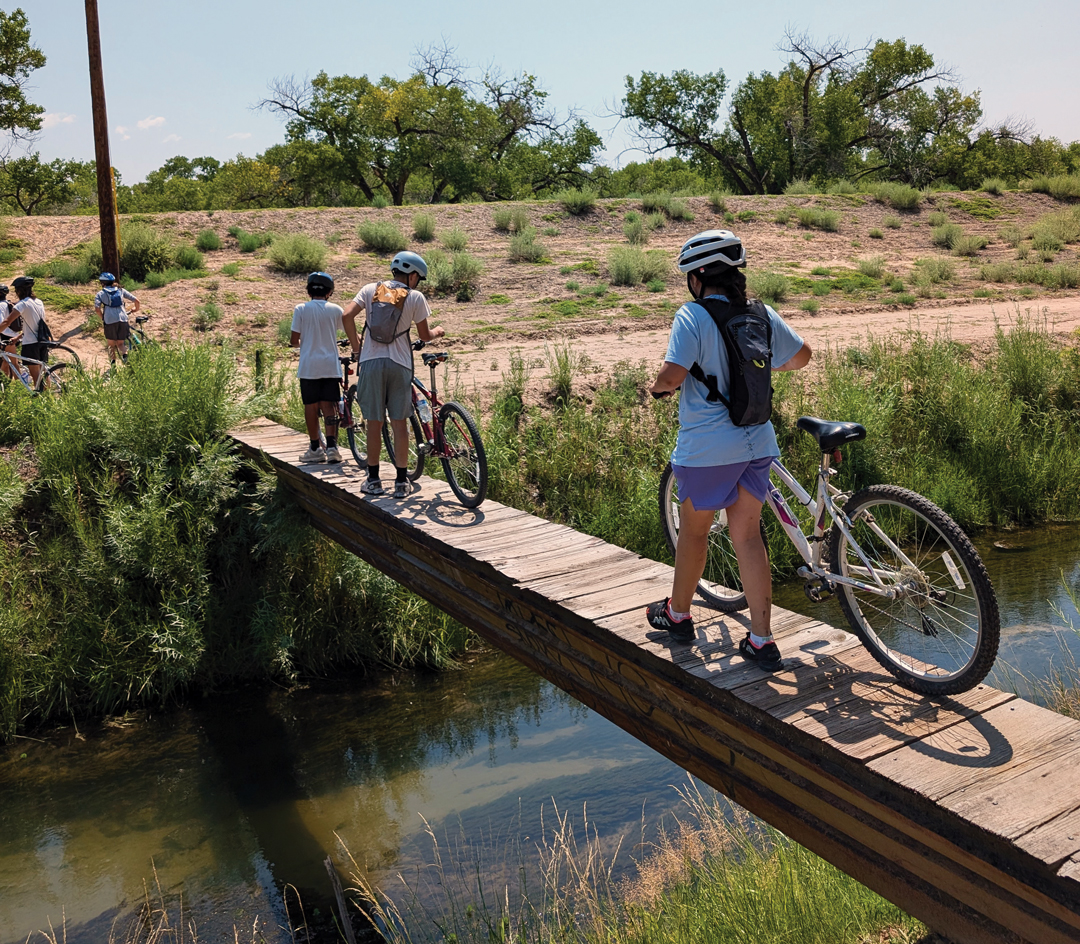
Story Riders explore the bosque on their bikes, photo courtesy of Story Riders.
In 2017, Marco Sandoval founded Story Riders through the Center of Southwest Culture (CSC), with a clear mission: to combine bicycles, the natural beauty of the bosque, and a sense of community belonging to enrich the lives of young people. As the program manager, Sandoval has seen firsthand the transformative power of this unique initiative. Also part of the core Story Riders team are program coordinator Leila Murrieta and operations coordinator (and bike mechanic and coach) Dakota Vigil; together, they work to create a nurturing environment where students can learn, grow, and connect with culture, community, and place.
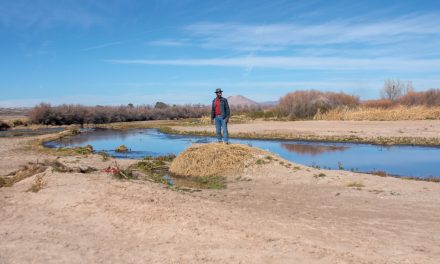
When we talk in July, they’re partnering with the Center for Social Sustainable Systems to sample and analyze the Albuquerque South Valley acequia infrastructure. “We’re going to have students actually document the soil and the water health along the acequias. We’re going to present our findings to the Middle Rio Grande Conservancy District,” says Sandoval. “We’re going to have our students see if there are any kinds of contaminants that the people who are using it to irrigate their fields should be concerned with.”
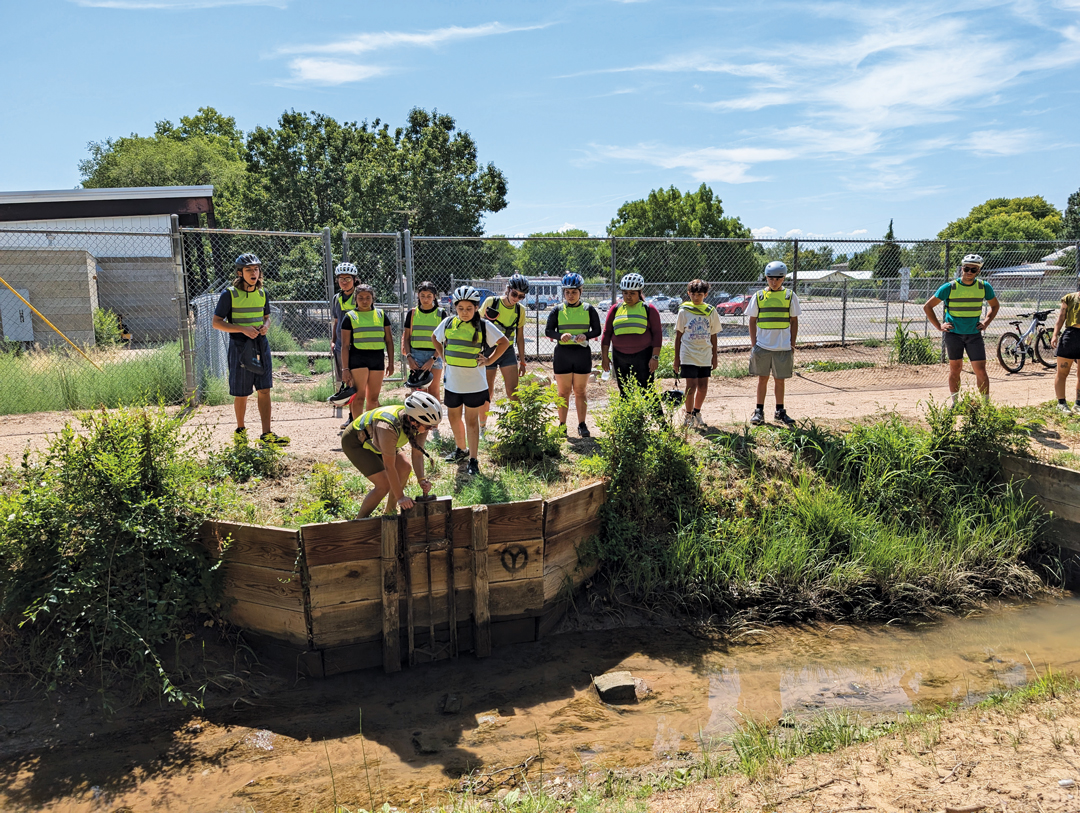
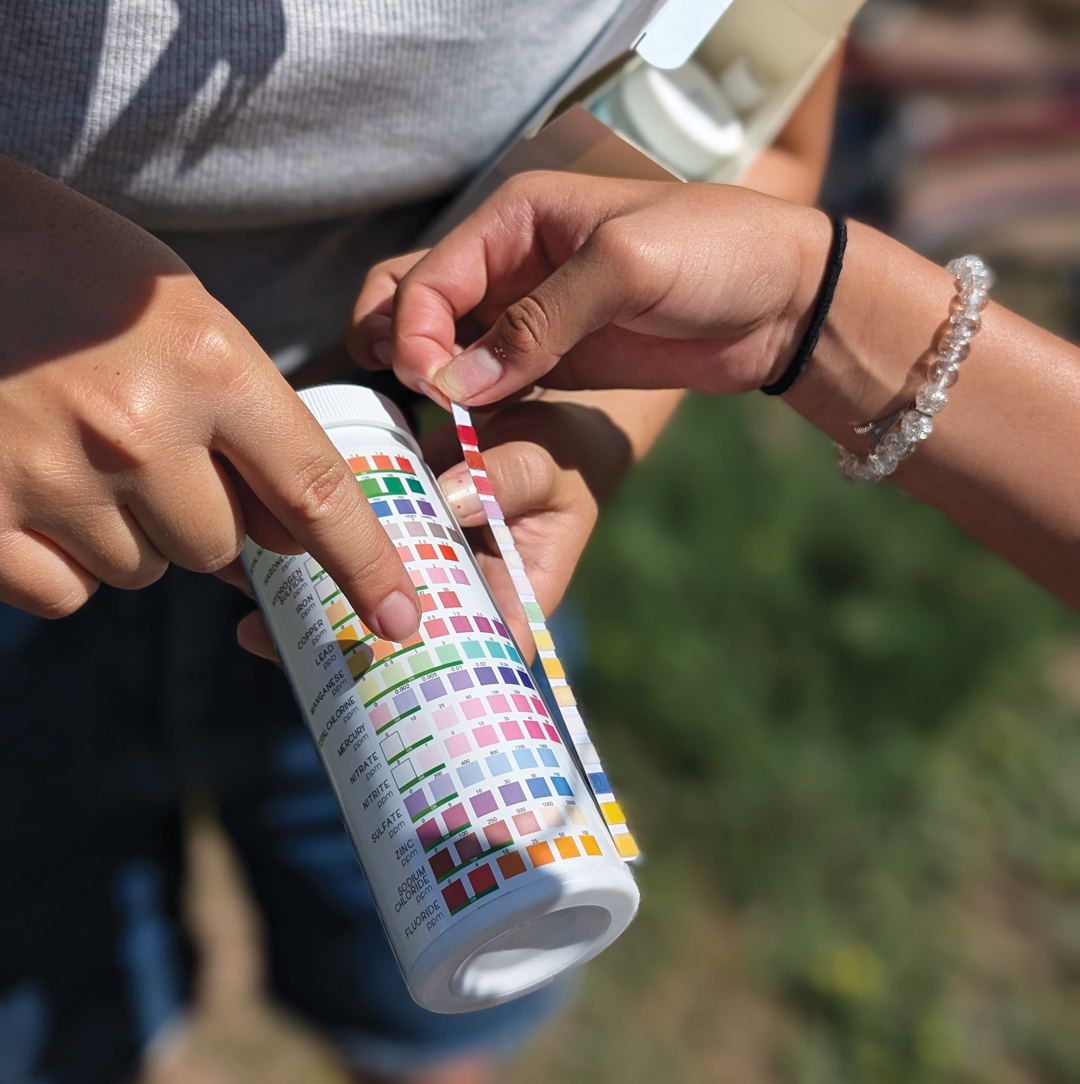
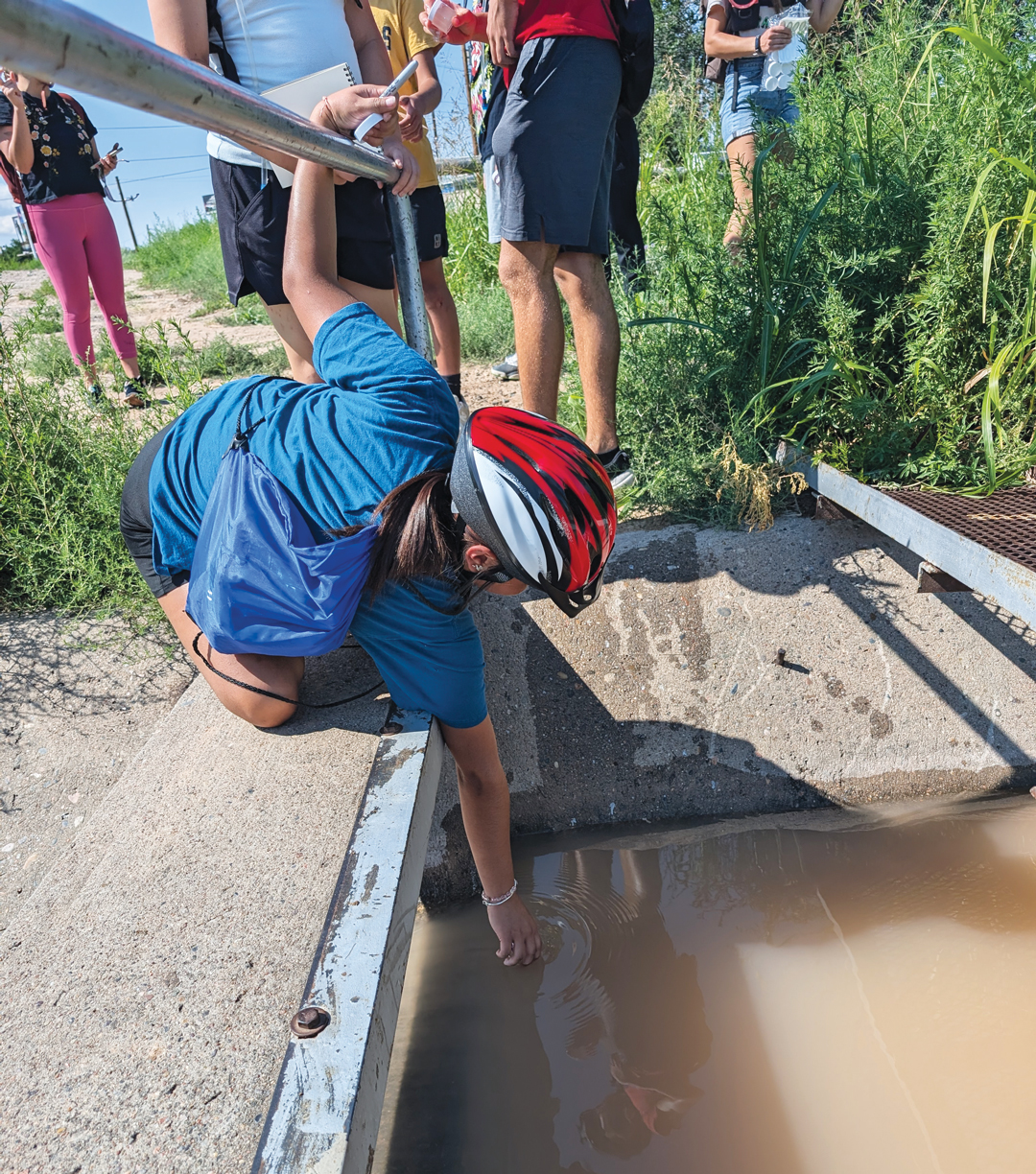
Story Riders gathering samples to analyze the Albuquerque South Valley acequia infrastructure, photos courtesy of Story Riders.
The twelve-day programs, aptly named Story Riders for their focus on bike riding and oral history, are open to students ages nine through eighteen, and bikes are provided to participants.
These programs revolve around three core aspects: bikes, bosque, and belonging. The first week of each session focuses on bicycles: learning bike safety, maintenance, and basic repairs such as patching flats and adjusting brakes. Vigil emphasizes the importance of these skills for fostering students’ confidence and independence.
“Our first week is all about getting students comfortable and competent on their bikes,” she explains. “We teach them how to handle common issues that might otherwise prevent them from riding.”
Once the students are confident on their bikes, the program shifts to exploring Albuquerque’s lush river landscape. Rides in the Rio Grande bosque introduce students to the natural beauty of their environment while providing a safe space away from traffic. Community leaders and cultural practitioners join the rides to share their knowledge about medicinal plants, the water cycle, and the ecological significance of the bosque.
“We want students to see the bike not just as a recreational tool but as a means of connecting with their environment and heritage,” Sandoval says. “Learning about the plants and the history of the bosque while riding makes the experience deeply enriching.”
The third aspect, belonging, incorporates social and emotional learning. Each day begins and ends with a check-in circle where students engage in directed discussion and reflect on their experiences. “We emphasize the art of conversation and listening,” Sandoval notes. “It’s about creating a space where students feel heard and valued.”
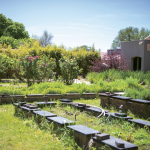
Story Riders also invites local artists to engage with the students. From adobe makers and farmers to body movement specialists and poets, these artists help students connect with their cultural heritage and express themselves creatively. This summer, students built a small adobe bench outside the CSC bike shop near the bosque, a hands-on project that combined physical activity with cultural education.
Many students enter the program with trepidation about biking and being outdoors, but they leave feeling empowered and accomplished. “Watching students transform is incredibly rewarding,” Murrieta shares. “They gain confidence not just in their biking skills but in themselves as individuals.”
During the school year, Story Riders runs after-school programs, while summer sessions take place in the mornings. Each session accommodates twelve students, ensuring a manageable and intimate group size. The program’s inclusivity is evident in its focus on serving Latino and Indigenous populations, and its offerings are free of charge. At the culmination of the program, students receive a bicycle and helmet, all sourced through community donations.
“At the end of the day, it’s about connection,” Sandoval reflects. “Connecting students to their bodies, their culture, and their community. That’s what Story Riders is all about.”
Read Other Acequia Case Studies From This Issue

Tending the Seeds of Land-Based Leadership in Northern New Mexico
Poet and Taos native Victoriano Cárdenas talks acequias, farming, and genízaro identity with Dixon grower and mayordomo Joseluis “Agua y Tierra” Ortiz y Muñiz.
ACEQUIA CASE STUDIES
Here, we’re sharing reports on a few of the many ways that citizens and community leaders are working to preserve the acequias.

The Tradition of Acequias in Corrales
Jacob White reports on the acequia infrastructure of Corrales.

Prototypes: Tending to the Acequias
Emily Vogler experiments with non-concrete alternatives to acequia erosion that could also support the many interconnected functions of the ditches.

Ungelbah Dávila
Ungelbah Dávila lives in Valencia County with her daughter, animals, and flowers. She is a writer, photographer, and digital Indigenous storyteller.