

Fall is the most glorious of seasons in New Mexico. The sun more gently kisses the fruit that remains on the trees, chile reddens on the vine, and aspens and oaks and cottonwoods put on a parade of color that has been known to surprise newcomers. Fall is also when the traditional irrigation season approaches its end. The flow of water through our community acequias—some three centuries old and narrow as veins, some as young as eighty and broad as mountain creeks—slows, then stops. The fields they’ve fed begin to dry.
This issue celebrates these waterways, the ditches familiar as breath to many who’ve grown up here. In one feature, exploring how acequias might support plastic-free agriculture, Willy Carleton reflects not only on the risks but on the rhythms, the mentorship, the elegance of irrigating with acequias. In another, Emily Vogler traces the Rio Grande through Albuquerque’s extensive network of ditches and makes a case that they are integral to the city’s health and character. Following her story is a handful of “acequia case studies” where we share the work of stewards and teachers working to sustain connections between urban communities and these vital lifeways.
Writing of his time as a mayordomo (ditch boss), the late Stanley Crawford, who arrived fifty-five years ago as an outsider and quickly made himself useful, asserted: “The thousand acequias of New Mexico form a cultural web of almost microscopic strands and filaments that have held a culture and a landscape in place for hundreds of years.”
Traveling north with Mariko O. Thomas, we find some of these filaments illuminated in the humblest of settings: an acequia workshop at an orchard owned and tended by members of a family whose ancestry is a map to early Spanish settlement in New Mexico. Turning to the kitchen, Lynn Cline visits with a chef who draws on his own rich heritage and commitment to community. We also include, in honor of local orchards and the season, an ode to the apple, along with a few recipes with which to celebrate local growers of the fruit.
In sharing these stories in the season’s shifting light, we hope to offer a window into the cultural web supported by acequias, a glimpse from a place of wonder, care, and possibility into the future of our desert lands.
 Fall is the most glorious of seasons in New Mexico. The sun more gently kisses the fruit that remains on the trees, chile reddens on the vine, and aspens and oaks and cottonwoods put on a parade of color that has been known to surprise newcomers. Fall is also when the traditional irrigation season approaches its end. The flow of water through our community acequias—some three centuries old and narrow as veins, some as young as eighty and broad as mountain creeks—slows, then stops. The fields they’ve fed begin to dry.
This issue celebrates these waterways, the ditches familiar as breath to many who’ve grown up here. In one feature, exploring how acequias might support plastic-free agriculture, Willy Carleton reflects not only on the risks but on the rhythms, the mentorship, the elegance of irrigating with acequias. In another, Emily Vogler traces the Rio Grande through Albuquerque’s extensive network of ditches and makes a case that they are integral to the city’s health and character. Following her story is a handful of “acequia case studies” where we share the work of stewards and teachers working to sustain connections between urban communities and these vital lifeways.
Writing of his time as a mayordomo (ditch boss), the late Stanley Crawford, who arrived fifty-five years ago as an outsider and quickly made himself useful, asserted: “The thousand acequias of New Mexico form a cultural web of almost microscopic strands and filaments that have held a culture and a landscape in place for hundreds of years.”
Traveling north with Mariko O. Thomas, we find some of these filaments illuminated in the humblest of settings: an acequia workshop at an orchard owned and tended by members of a family whose ancestry is a map to early Spanish settlement in New Mexico. Turning to the kitchen, Lynn Cline visits with a chef who draws on his own rich heritage and commitment to community. We also include, in honor of local orchards and the season, an ode to the apple, along with a few recipes with which to celebrate local growers of the fruit.
In sharing these stories in the season’s shifting light, we hope to offer a window into the cultural web supported by acequias, a glimpse from a place of wonder, care, and possibility into the future of our desert lands.

ACEQUIA CITY
Emily Vogler traces the Rio Grande through Albuquerque’s extensive network of ditches and makes a case that they are integral to the city’s health and character.

Acequias and the Art of Growing Vegetables without Plastic
Willy Carleton reflects not only on the risks but on the rhythms, the mentorship, the elegance of irrigating with acequias.

Cooking with Tea
This edition of Cooking Fresh explores the many culinary uses of tea—whether black, green, white, or oolong.

ACEQUIA CASE STUDIES
Here, we’re sharing reports on a few of the many ways that citizens and community leaders are working to preserve the acequias.

The Tradition of Acequias in Corrales
Jacob White reports on the acequia infrastructure of Corrales.

Baked Jasmine Pearl Custard
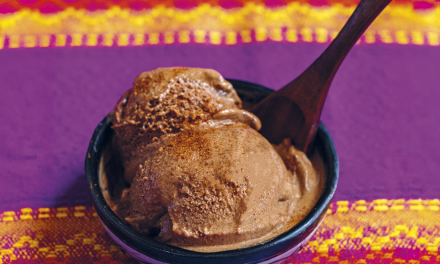
As jasmine tea leaves steep in the cream mixture, the pearls unfurl and infuse their floral essence into every luscious bite of this bain-marie-style custard.

Prototypes: Tending to the Acequias
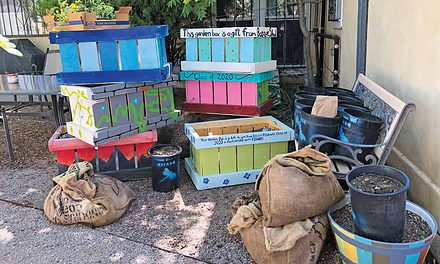
Emily Vogler experiments with non-concrete alternatives to acequia erosion that could also support the many interconnected functions of the ditches.

Burmese Lahpet thoke
The key ingredient in this Burmese Lahpet Thoke (tea leaf salad) is the fermented tea leaves, which give the dish a slightly tangy and earthy flavor.

A New Mexican in Paris
Candolin Cook reflects on the three best things she ate in the City of Lights.

Carrot, Coriander, and Lapsang Souchong Soup
This recipe uses smoky Lapsang souchong tea to add complex umami notes to a coriander-forward soup.

Story Riders
The Story Riders program combines bicycles, the natural beauty of the bosque and a sense of community to enrich the lives of young people.

Apples to Apples
From vitamin-rich lunch-box staple to simple, saucy dinner accompaniment, the apple is one of our most loved and versatile culinary go-tos.

Apple and Formosa Oolong Syrup and Mocktail
This recipe makes use of the inevitable apple waste from making pies, along with Formosa oolong, a semi-oxidized tea that falls somewhere between green and black.
Matcha Doughnuts
Matcha adds a bold color and a fresh, grassy, sweet flavor to this doughnut recipe.

Landing Softly in the Valley
Northern New Mexico acequias are not only utilitarian but also spiritual, their systems of governance deeply imbued with practices that simultaneously protect the waterways’ health and healthy community relations.

Earl Grey Tea Cake
Cream Earl Grey from New Mexico Tea Company gives this tea cake its velvety vanilla undertones.

In the Flow at Sassella
Lynn Cline visits with Chef Cristian Pontiggia, who draws on his own rich heritage and commitment to community.

Eggplant with Hot Honey and Basil
This dish is a healthy weeknight meal for two, seasoned with pork, basil, and spicy hot honey.
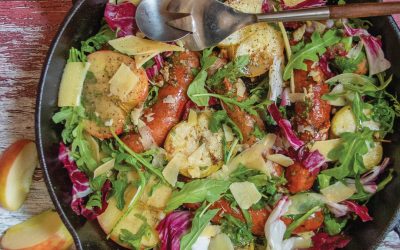
Skillet Sausages and Apples with Pecan Vinaigrette
This one-skillet dish combines spicy sausages, tender sweet apples, crisp bitter greens, and toasted pecan vinaigrette to make a simple weeknight meal or dinner to impress.