
Whether black, green, or oolong, all teas are different varieties or treatments of the same plant, Camellia sinensis. Like wine, a tea’s growing conditions and soil makeup affect how it tastes. Herbal teas (tisane) consist of herbs like mint and flowers such as hibiscus and chamomile. Camellia sinensis tea, herbal tea, and blends of both can amp up your cooking and bring new depths of flavor to your repertoire.
The flavor of each tea is affected by brewing times and temperatures. Green and white teas are barely oxidized, oolong tea is partially oxidized, and black tea is fully oxidized. Less oxidized tea tastes like the pure leaf: crisp, fresh, and green. More oxidized tea leaves develop rich, dark, and malty notes. Brewing time and temperature matter, and recommendations vary for green (less time and heat) and black tea leaves (longer steep and boiling water).
You can steep tea directly into milk, heavy cream, broth, or sauces. You can also steep tea separately and add it to the mix afterward—infusing a cake or cookie batter with tea as a liquid component, for example. Or simply steep a few tea bags directly in your broth as it cooks. Follow the same rules for making a cup of tea—set a timer to avoid over-steeping, and steep in steaming hot (but not boiling) water. Toss finely ground tea leaves into beans or baked goods. The possibilities are endless, so next time you brew a cup of tea, don’t be afraid to dream of another use for it. In this Cooking Fresh edition, I use loose-leaf teas sourced and blended from local tea companies to hit both sweet and savory notes.
Loose-leaf teas can be sourced from these New Mexico businesses:
- tea.o.graphy in Taos (tea-o-graphy.com)
- ArtfulTea in Santa Fe (artfultea.com)
- New Mexico Tea Company in Albuquerque
(nmteaco.com) - Old Barrel Tea Co. in Las Cruces, Ruidoso,
Cloudcroft, and Albuquerque
(oldbarreltea.com) - Figments Tea Shop & Gallery
(figmentsteashop.com) - The Teahouse in Santa Fe
(teahousesantafe.com) - WAO Tea in Taos (waotea.com)

Temperature and time matter when brewing
Following the general guidelines below when cooking with tea will garner better results. Brewing tea for too long can extract undesirable bitterness from the leaves, so steeping time matters. A stronger brew doesn’t mean steeping longer; use more tea.
Temperature Guidelines
- Black, pu-erh, and herbal: 212°F, full rolling boil
- Oolong: 195°F, the first bubbles begin to rise
- Green and white: 170–180°F, bubbles form on the bottom of the pot
Time Guidelines
- Green and white: 2–3 minutes
- Black and pu-erh: 3–5 minutes
- Oolong: 4–7 minutes
- Herbal, fruit, and other tisanes: 5–7 minutes
Recipes from this Issue
Baked Jasmine Pearl Custard
As jasmine tea leaves steep in the cream mixture, the pearls unfurl and infuse their floral essence into every luscious bite of this bain-marie-style custard.

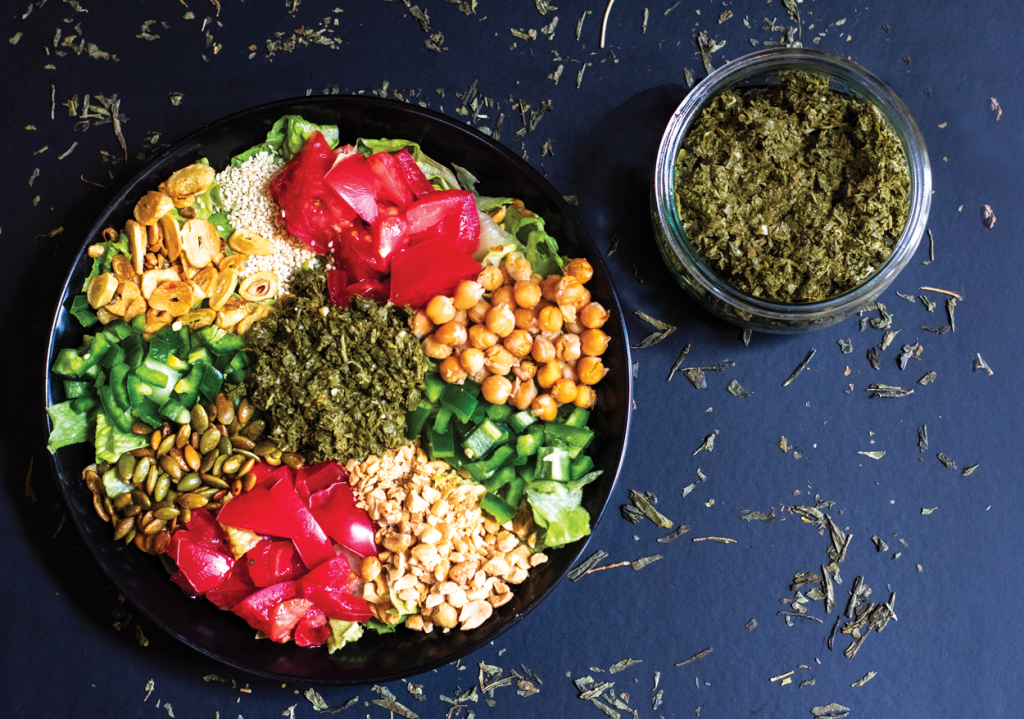
Burmese Lahpet thoke
The key ingredient in this Burmese Lahpet Thoke (tea leaf salad) is the fermented tea leaves, which give the dish a slightly tangy and earthy flavor.
Carrot, Coriander, and Lapsang Souchong Soup
This recipe uses smoky Lapsang souchong tea to add complex umami notes to a coriander-forward soup.

Apple and Formosa Oolong Syrup and Mocktail
This recipe makes use of the inevitable apple waste from making pies, along with Formosa oolong, a semi-oxidized tea that falls somewhere between green and black.

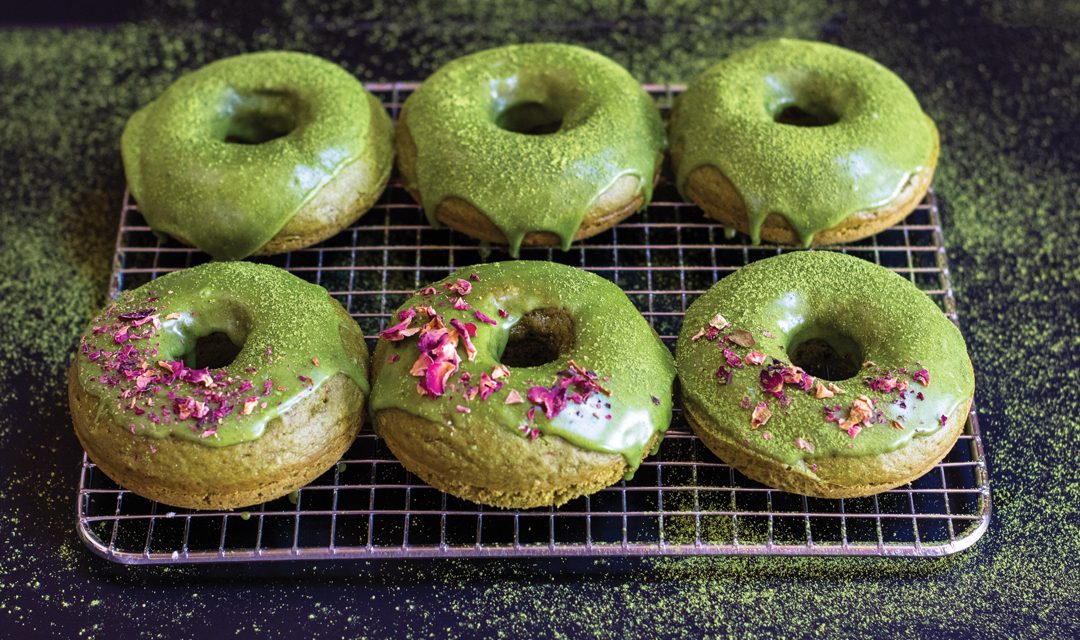
Matcha Doughnuts
Matcha adds a bold color and a fresh, grassy, sweet flavor to this doughnut recipe.

Gunpowder Smoked Beets and Tea Vinaigrette
Beets smoked with gunpowder tea and served with a gunpowder vinaigrette.

Earl Grey Tea Cake
Cream Earl Grey from New Mexico Tea Company gives this tea cake its velvety vanilla undertones.


Stephanie Cameron was raised in Albuquerque and earned a degree in fine arts at the University of New Mexico. She is the art director, head photographer, recipe tester, marketing guru, publisher, and owner of edible New Mexico and The Bite.