FROM FEAST DAY FAVORITE TO ROUTE 66 ICON
Words and Photos by Ungelbah Dávila
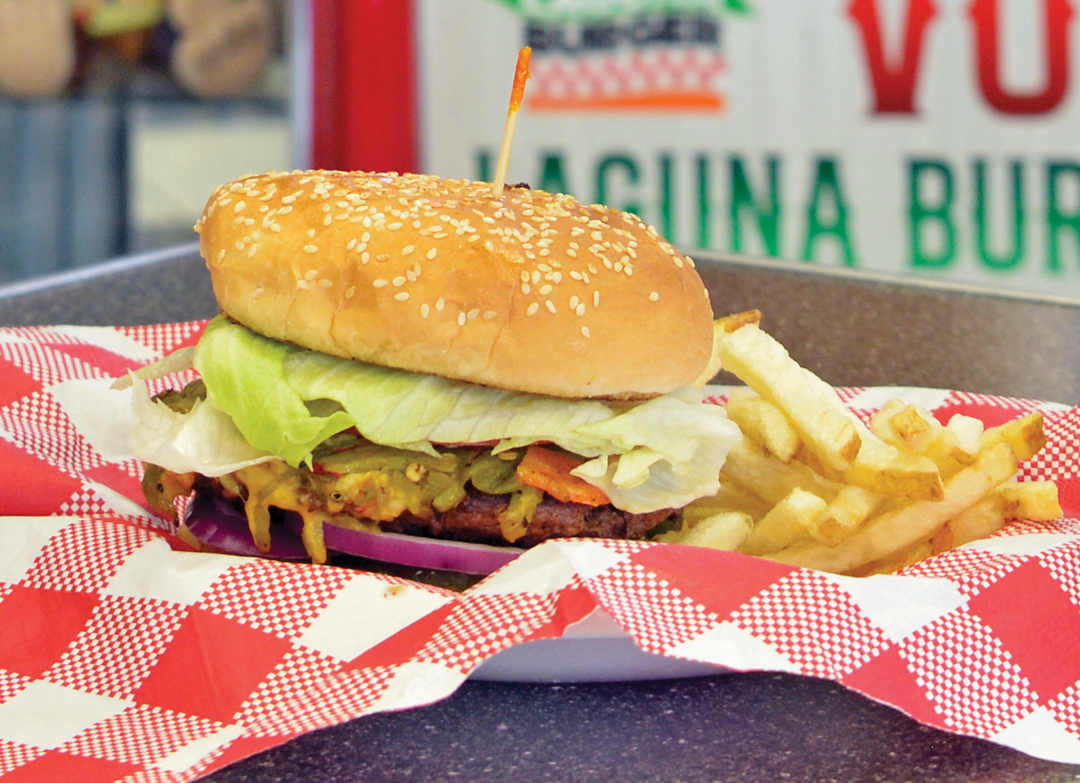
With retro interiors, bright red and white diner chairs, checkered patterns, and a menu starring burgers, hot dogs, and Frito pies, Laguna Burger’s original Pit Stop locations evoke the nostalgic spirit of Route 66, drawing visitors hungry for both local flavor and Americana.
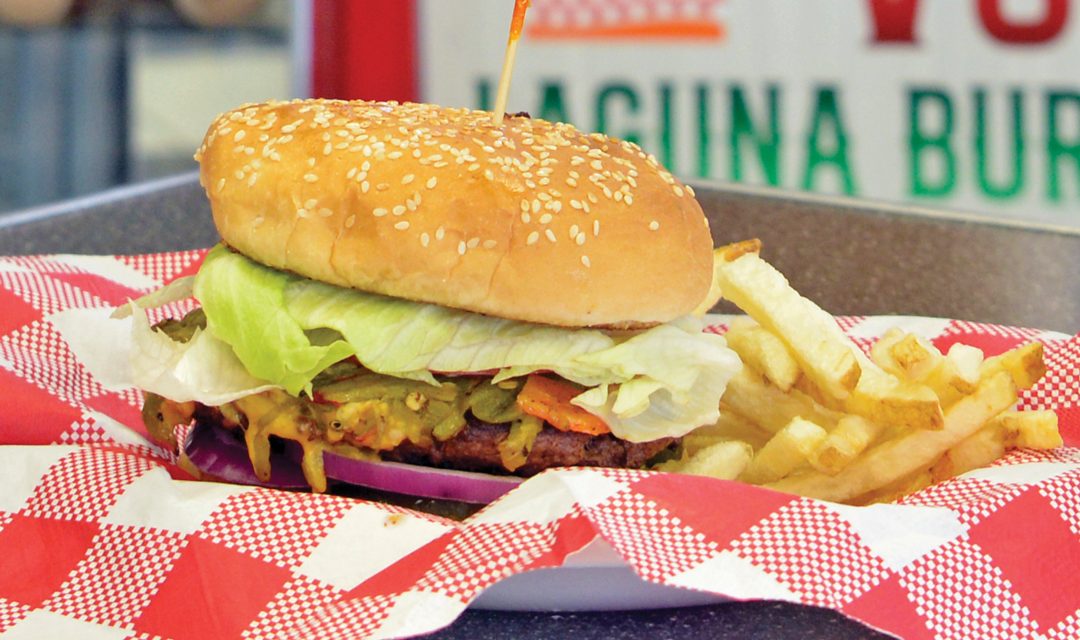
The namesake Laguna Burger is made using a recipe inspired by the green chile burgers sold during the Pueblo’s feast days. Cheese was added, and in 2005 the first Laguna Burger was served from a tiny grill inside what was then the Laguna Superette. Operated under the Pueblo’s food and beverage division, the burger quickly became a hit, prompting plans to expand. What followed was the transformation of two Pueblo-owned gas stations, adding full-fledged burger joints to the newly branded 66 Pit Stop locations along I-40.
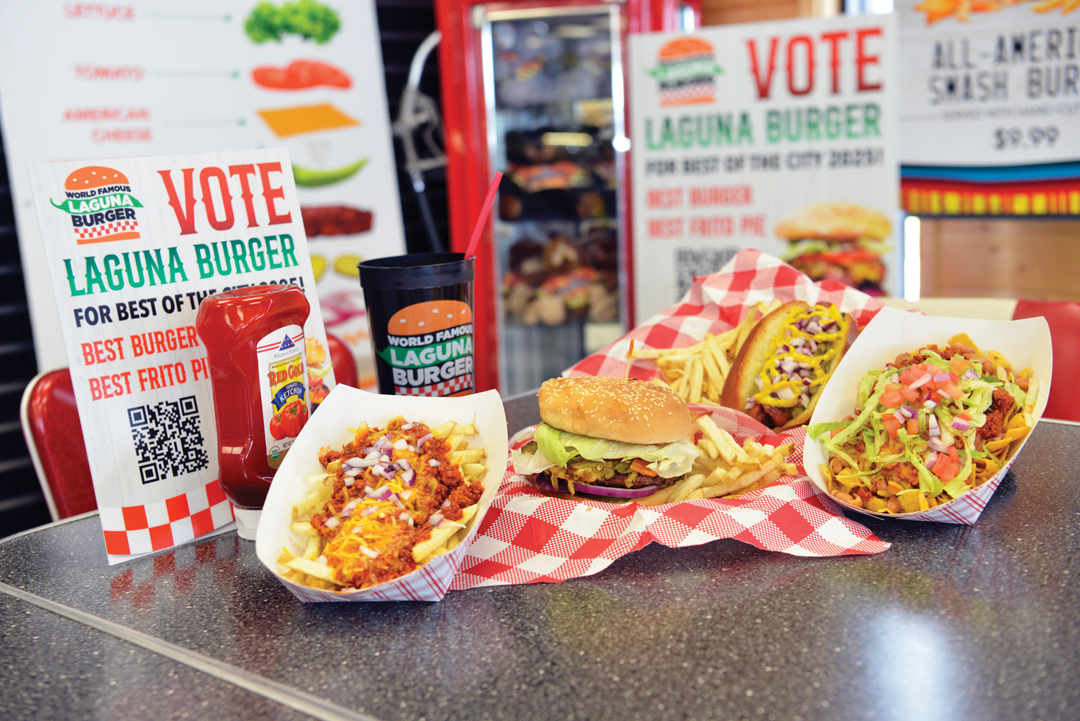
Laguna Burger is also a two-time winner of the New Mexico State Fair Green Chile Cheeseburger Challenge and will return to compete again this year. The Laguna Burger’s distinction is all in the preparation and quality of ingredients, said Ryan Westerman, area manager for Laguna Burger. “It starts with our beef. We use a unique 73/27 blend of certified Angus beef that’s never frozen, delivered within two days of processing,” he said. Originally ground fresh in-house, the demand now requires a custom grind from a supplier who developed the product specifically for Laguna Burger—a blend so successful it’s now available to other retailers nationwide.
The burger’s standout flavor also comes from a meticulously crafted proprietary seasoning blend. “We used to make it ourselves, but now we use a company, so it’s consistent,” said Westerman. “There are about eight ingredients in it, but the recipe is under lock and key.” On top of that, Laguna Burger’s buns are made by Bimbo Bakeries, which employs locals at its Albuquerque bakery, Westerman said. “The people who bake the bread are the same people who eat our burgers.”
And, of course, no green chile cheeseburger would be complete without New Mexico’s signature ingredient: chile. “Every year, we go down to Hatch and we visit the fields and the farmers that grow our chile. We have a very strong relationship with our chile partner,” Westerman said. “We use a Christmas blend, red and green chile. So it’s kind of like the autumn roast you’d see in the grocery stores, but a little more red prominent in there. So you get the earthiness and sweetness from the red, and you get the spice and the freshness from the green.”
Positioned along I-40—which follows much of historic Route 66—Laguna Burger naturally found itself on the radar of road-trippers and Route 66 enthusiasts. One of the first major signs that it was becoming something bigger came from overseas.
“There was this biker group from Ireland who would rent motorcycles and ride Route 66,” Westerman said. “They found out about us and started posting about Laguna Burger on travel blogs. That’s where the ‘world famous’ title came from—and it stuck.”
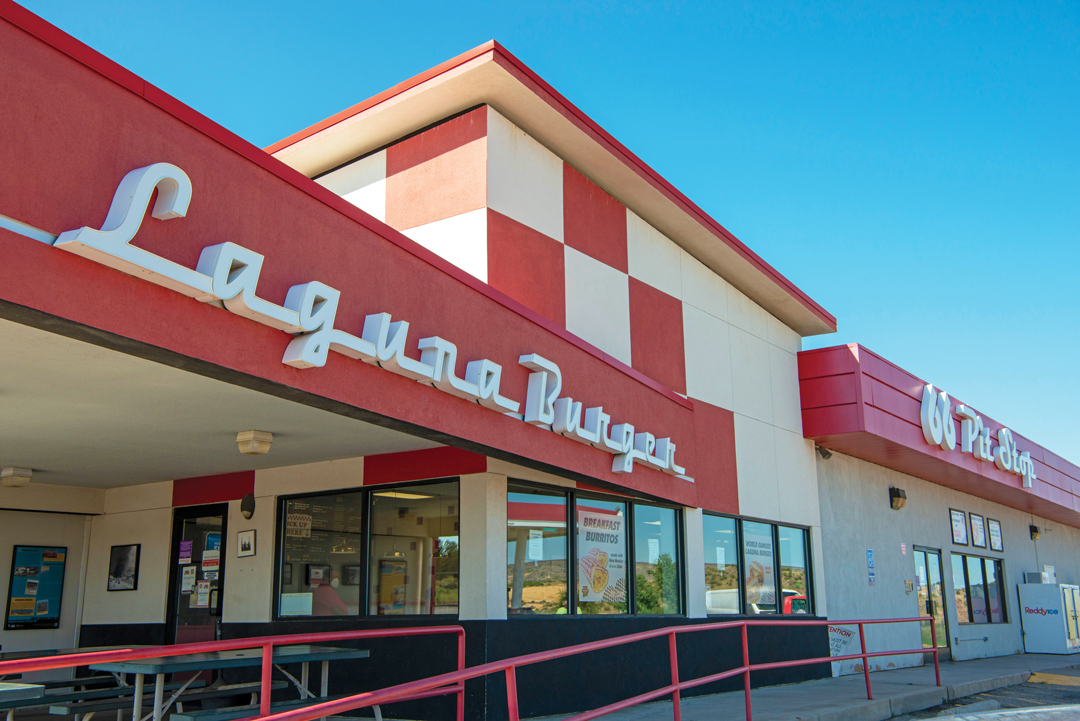
Laguna Burger now boasts six locations, including four along the historic Mother Road, as well as a food truck and a stall at The Pit, the home court for the University of New Mexico Lobos. With its roots deeply tied to Pueblo culture and its eye toward classic Americana, the brand has become both a cultural touchstone and a roadside destination for locals and tourists.
“This stretch of I-40 is one of the last strongholds of true Americana,” Westerman said. “You can still see roadside stands. You still feel that nostalgia. People come from across the country and around the world just to experience this road, and we’re proud to be a part of that.”
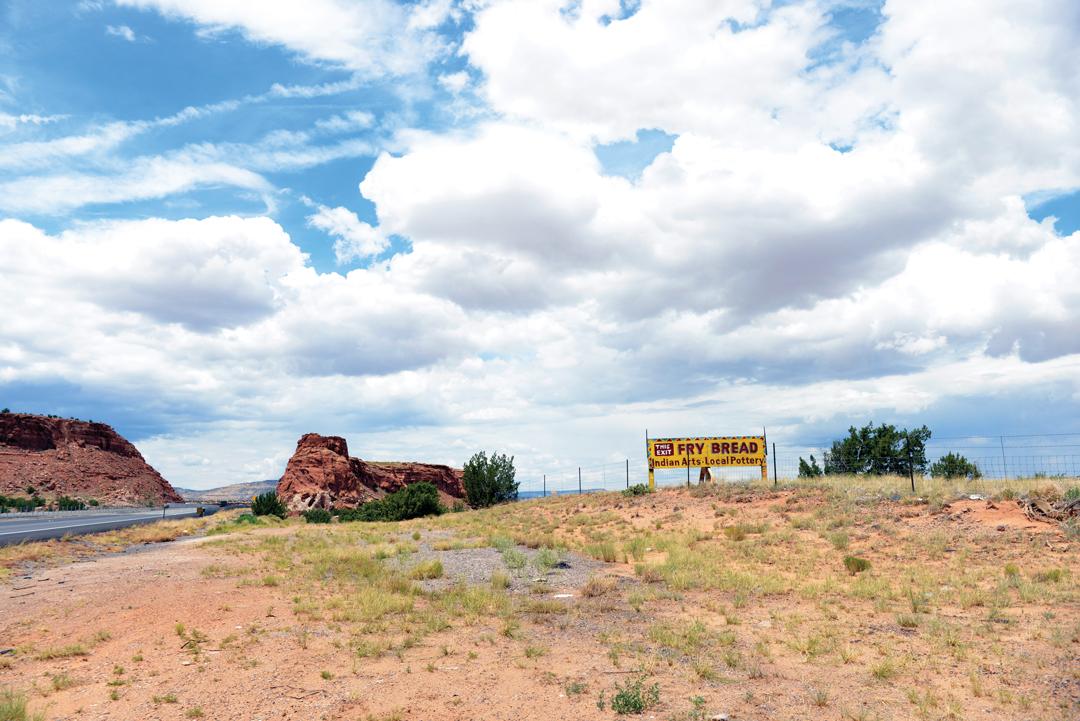
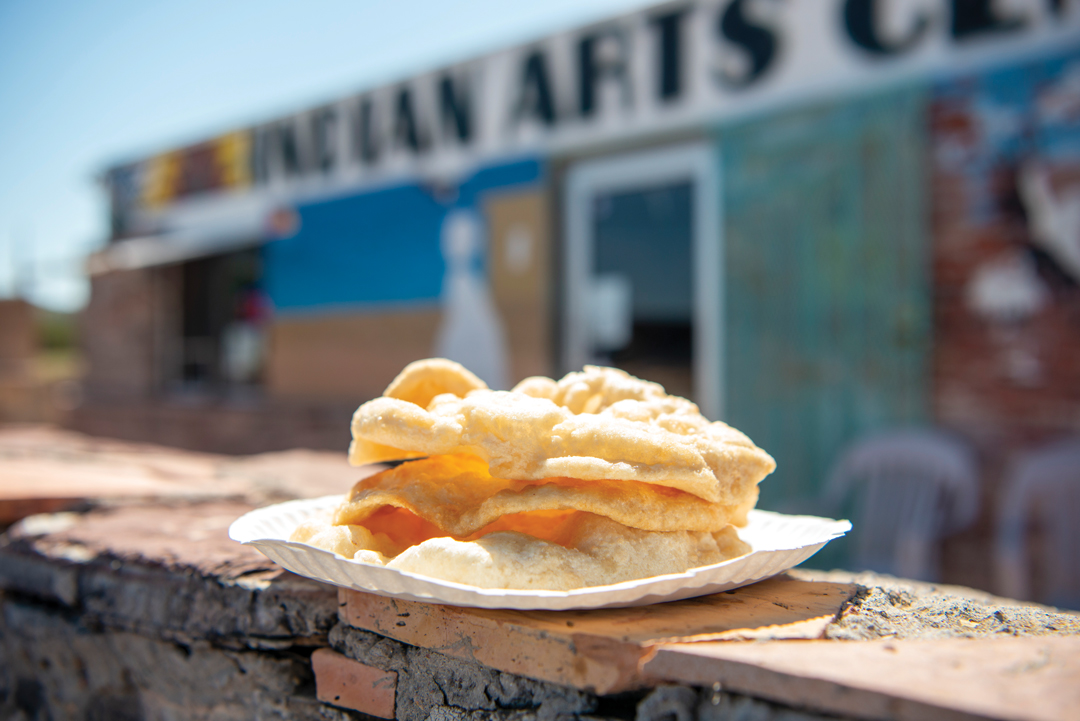
Some of that blast-from-the-past aesthetic can be found a quarter mile west of the Laguna 66 Pit Stop, at the Indian Arts Center, where you can order fresh fry bread or an Indian taco from a window on the side of the old rock building. The exterior is covered in murals of Laguna Eagle Dancers and pottery, and the interior offers even more color, along with souvenirs by local artists.
Like the historic Indian Arts Center, one of their Pit Stop locations is also housed in a storied building. The exit 140 location was once a Stuckey’s—a roadside icon in its own right. “Laguna Development Corporation and the Pueblo could’ve chosen to develop elsewhere,” Westerman noted. “But they chose to stay rooted in this valley, in this landscape, where the Rio Puerco still winds beneath us.”
This series is brought to you by the New Mexico Tourism Department.


Ungelbah Dávila
Ungelbah Dávila lives in Valencia County with her daughter, animals, and flowers. She is a writer, photographer, and digital Indigenous storyteller.