

Words and Photo by Stephanie Cameron
Serves 4–6
Spaetzle—tiny, rustic dumplings made in kitchens from Germany to Slovenia and meaning “little sparrow”—are one of the most forgiving, versatile varieties of pasta you can make. Traditionally made with wheat flour, eggs, and milk, spaetzle starts as a simple batter pressed into boiling water, yielding tender, chewy morsels ready to crisp in butter or fold into hearty dishes. This version adds rye flour for a nutty flavor, but other versions can include mustard, herbs, sweet potatoes, or peas.
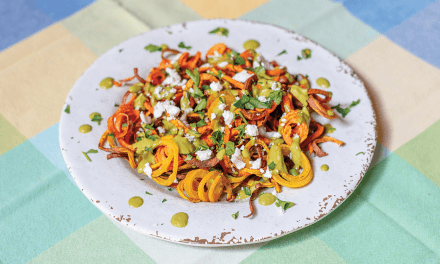
The technique is great for a weeknight meal. The dumplings come together in minutes and hold up beautifully for meal prep, ready to sauce, toss into soups, or pair with vegetables throughout the week. Here, the spaetzle become a satisfying main dish when browned in butter and tossed with caramelized winter root vegetables. The gremolata adds freshness and lift, balancing the richness while tying all the flavors together.

Rye Spaetzle, Root Veggies, and Gremolata
Ingredients
Gremolata
- 1 packed cup parsley, finely chopped
- Zest of 1 lemon
- 1 small garlic clove, grated
- Pinch of salt
Roasted Root Vegetables
- 4 –5 cups mixed root vegetables, chopped into 1-inch pieces (e.g., carrots, parsnips, turnips, rutabaga, celery root)
- 2 –3 tablespoons olive oil
- 1 teaspoon salt
- 1/2 teaspoon black pepper, freshly ground
- 2 teaspoons crushed caraway or fennel seed (optional)
Rye Spaetzle
- 1 1/2 cups all-purpose flour
- 3/4 cup rye flour
- 1 teaspoon salt
- 1/4 teaspoon pepper
- 2 large eggs
- 1 –1 1/2 cups whole milk, as needed
- 3 –4 tablespoons butter (for crisping spaetzle)
Optional Toppings
- 1/2 cup toasted walnuts or pecans
- Shaved aged Gouda, pecorino, or parmesan
- Crispy shallots
Instructions
- Preheat oven to 425°F. Combine all gremolata ingredients in a small bowl and set aside.
- In a large bowl, toss veggies with olive oil, salt, pepper, and optional seeds. Spread veggies out in a single layer on parchment-lined baking sheets; for maximum crispiness, don’t crowd them. Roast 25–35 minutes, stirring once halfway through, until deeply caramelized.
- While veggies are roasting, start the spaetzle. In a large bowl, whisk together flours, salt, and pepper. In a separate bowl, whisk together eggs and 1 cup milk. Make a well in the dry ingredients and pour in the wet mixture. Stir with a rubber spatula to combine. The consistency should be that of a sticky cake batter. Let batter rest for 30 minutes and bring a large pot of salted water to a boil. As the batter sits, it will absorb more liquid; add milk as needed to keep it loose.
- Working in batches, press spaetzle batter through a spaetzle maker, colander, or slotted spoon into the boiling water. Wear oven mitts to prevent burns from the steaming water. Cook 1–2 minutes, until the spaetzle float. As they rise to the surface, scoop them out with a slotted spoon and transfer to a colander to drain.
- Once all the spaetzle have been cooked, heat a skillet over medium heat and melt the butter 3–4 minutes until it turns golden, nutty, and aromatic. Add drained spaetzle and sauté until crisped in spots, 5–7 minutes. Add roasted vegetables directly to the skillet and toss to coat everything in the brown butter. If the pan feels dry, add 1–2 tablespoons of spaetzle water to lightly bind the mixture. Remove from heat and toss generously with gremolata. Sprinkle with toppings of your choice.
- To make ahead: Prepare spaetzle as directed through boiling. Drain well, rinse lightly under cold water, and drain again. Toss with 1–2 tablespoons neutral oil (e.g., canola or grapeseed oil) to prevent sticking. Store in an airtight container in the refrigerator for up to 3 days or freeze for up to 2 months. Reheat by crisping in butter over medium-high heat for 5–7 minutes until golden in spots. Add roasted vegetables and proceed as above, or toss in whatever meat or veggies you have on hand. For soup, add spaetzle at room temperature.

Stephanie Cameron was raised in Albuquerque and earned a degree in fine arts at the University of New Mexico. She is the art director, head photographer, recipe tester, marketing guru, publisher, and owner of edible New Mexico and The Bite.