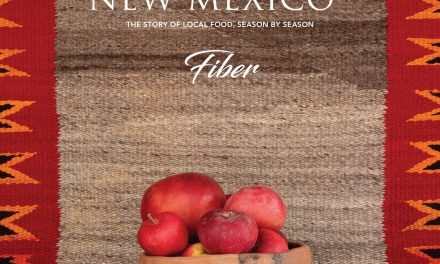

The official state question may be “Red or green?,” but white is the color of the heirloom corn that drew an Albuquerque native into the milling business. Gold is the shade of the chamisa- and marigold-based dye that a Santa Fe artist shares with us, and ruby is the hue of the amaro that one of the state’s award-winning distillers named for a woman who, in New Mexico, would have been known as a healer, a curandera.
“Nutritious” was not a criterion when we invited six local chefs each to create a dish centered around a single color, but the results (like the recipes in this issue) are inevitably as flavonoid-rich as they are beautiful. Unbidden, all six created plates that showcase not only the culinary talent in our state but the diversity that exists simply within the natural range of blue, of yellow, of green.
In this issue of edible New Mexico, we celebrate local producers and makers—chefs, artists, growers, millers, master distillers, and even pollinators—who cultivate beauty. With farmer Zoey Fink, we meet members of a flower collective whose work to grow a supply chain for local blooms is also work to support local bees. We follow Christie Green as she contends with the ways, visible and invisible, that climate change is altering the pigments and hues of our plant and animal kin. Ungelbah Dávila talks with two distinctive artists about plant-based dyes—their appeal, and their sometimes troubled relationship with the demands of markets. From green corn to red beets to yellow sunflowers, we are presented with a vision that color represents health, whether in the wild, on the farm, or on the plate.
More than 4,500 species of plants and animals make their homes in New Mexico’s thirty-three terrestrial habitats, and at least 125 are endemic, meaning they are so adapted to their place that they exist nowhere else. Take the checkerspot butterfly, who feeds on violet penstemon in the Sacramento mountains, or the faintly pink Gypsum Townsend’s aster, visited by native bees. And, just as the spectrum of local landscapes is more vast than meets the human eye, more layered than the aesthetic of any single artist, and more variable than can be encompassed via the shorthand of “high desert,” so is the spectrum of our foodshed and culture. In that spirit, we hope these pages bring light and reflection to your table this season.
p.s. This year, Edible Communities recognized our storytelling, connection to community, and local engagement by presenting edible New Mexico with their Publication of the Year award.

The official state question may be “Red or green?,” but white is the color of the heirloom corn that drew an Albuquerque native into the milling business. Gold is the shade of the chamisa- and marigold-based dye that a Santa Fe artist shares with us, and ruby is the hue of the amaro that one of the state’s award-winning distillers named for a woman who, in New Mexico, would have been known as a healer, a curandera.
“Nutritious” was not a criterion when we invited six local chefs each to create a dish centered around a single color, but the results (like the recipes in this issue) are inevitably as flavonoid-rich as they are beautiful. Unbidden, all six created plates that showcase not only the culinary talent in our state but the diversity that exists simply within the natural range of blue, of yellow, of green.
In this issue of edible New Mexico, we celebrate local producers and makers—chefs, artists, growers, millers, master distillers, and even pollinators—who cultivate beauty. With farmer Zoey Fink, we meet members of a flower collective whose work to grow a supply chain for local blooms is also work to support local bees. We follow Christie Green as she contends with the ways, visible and invisible, that climate change is altering the pigments and hues of our plant and animal kin. Ungelbah Dávila talks with two distinctive artists about plant-based dyes—their appeal, and their sometimes troubled relationship with the demands of markets. From green corn to red beets to yellow sunflowers, we are presented with a vision that color represents health, whether in the wild, on the farm, or on the plate.
More than 4,500 species of plants and animals make their homes in New Mexico’s thirty-three terrestrial habitats, and at least 125 are endemic, meaning they are so adapted to their place that they exist nowhere else. Take the checkerspot butterfly, who feeds on violet penstemon in the Sacramento mountains, or the faintly pink Gypsum Townsend’s aster, visited by native bees. And, just as the spectrum of local landscapes is more vast than meets the human eye, more layered than the aesthetic of any single artist, and more variable than can be encompassed via the shorthand of “high desert,” so is the spectrum of our foodshed and culture. In that spirit, we hope these pages bring light and reflection to your table this season.
p.s. This year, Edible Communities recognized our storytelling, connection to community, and local engagement by presenting edible New Mexico with their Publication of the Year award.
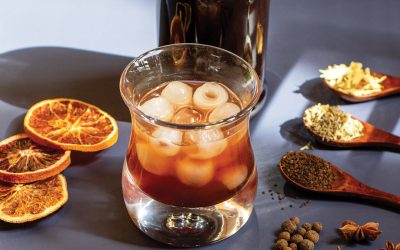
Zero Amaro
Alcohol and time help flavors integrate into amaros, but you can create a nice nonalcoholic amaro by experimenting with different bittering agents and herbs.

The Eye-Catching Hues of Winter
This edition of Cooking Fresh celebrates the culinary color wheel one dish (or drink) at a time.

Born to Corn
Felix Mauro Torres of Southwest Heritage Mill processes literally tons of colorful corn each month.

Carrot Pie with Pecan Crust
This recipe features the humble carrot in a playful version of a holiday classic.

The Color of Magic
Since its founding, As Above, So Below Distillery has focused on making spirits with an eye toward the ritual significance of drink and old folk medicine traditions.

Purple Sweet Potato and Cabbage Soup
Besides being hearty, bright, and delicious, this vibrant purple soup is loaded with anthocyanin-rich veggies and is vegan and gluten free.

Desert Dyeing
Ungelbah Dávila talks with two distinctive artists about plant-based dyes—their appeal, and their sometimes troubled relationship with the demands of markets.

Spinach Crepes with Mushrooms and Greens
In this crepe recipe, using boiling milk creates a spongy look and texture.

Pomegranate Upside-Down Blue Corn Bread
Butterfly pea flowers take this Pomegranate Upside-Down Blue Corn Bread to another level of the cerulean hue.

Beets, Pearl Couscous, and Fried Rosemary
Pearl couscous showcases the pink color imparted by beets, and a fried rosemary topping adds an herbaceous crunch.

Dinner Palette
As a last huzzah for the colorful bounty of the season and a celebration of local culinary talent, we asked six creative, hardworking chefs to prepare a unique dish based around a single color.

Roasted Butternut Squash Soft-Serve Ice Cream
Roasted butternut squash delivers a sweet and nutty flavor, making it the perfect ingredient for a seasonal ice cream.

On the Importance of Flowers
With farmer Zoey Fink, we meet members of the New Mexico Flower collective, whose work to grow a supply chain for local blooms is also work to support local bees.

Mushroom Foraging in the Winter?
What’s a mushroom-loving forager to do when the monsoon season is long past? Hunt for cold-weather mushrooms, of course.

A Taco, a Tamal, and Queso Asado in Mexico City
Briana Olson catalogs three standout food destinations in Mexico City.

Color: Standing Out or Blending In?
We follow Christie Green as she contends with the ways, visible and invisible, that climate change is altering the pigments and hues of our plant and animal kin.
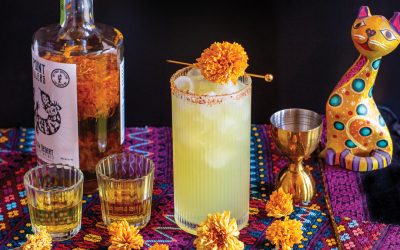
Marigold-Infused Tequila & Margarita
Our Marigold-Infused Tequila and Marigold Margarita feature Cempasúchil, the traditional flower used to celebrate Día de Los Muertos.

Shop Local Gift Guide 2024
Local businesses need support more than ever and edible New Mexico is bursting with ideas that will inspire and feed your holiday list.