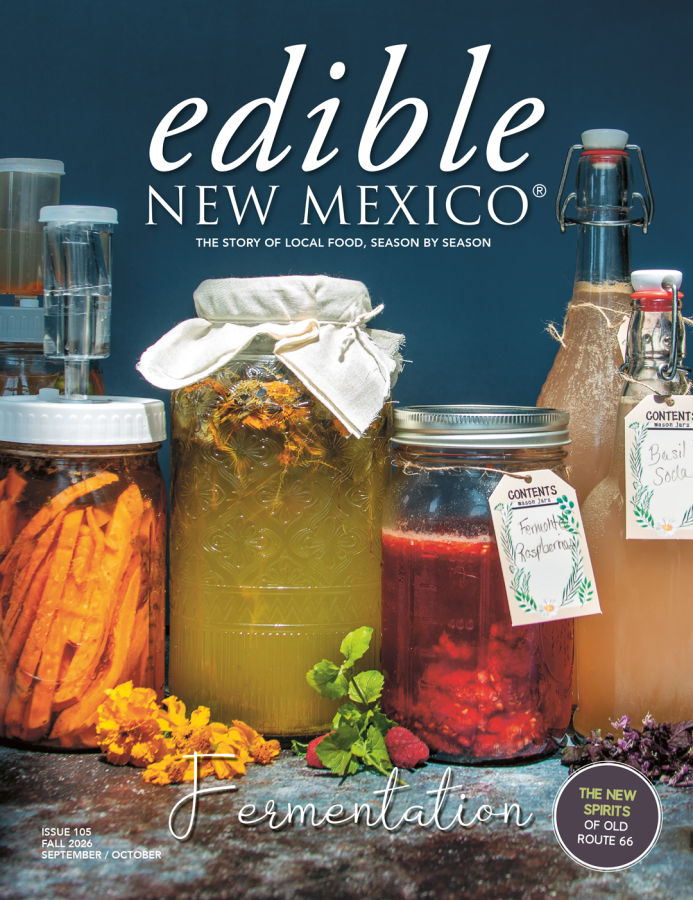
Magic, alchemy, transformation—more than any other culinary technique, fermentation invokes words associated with the casting of spells and ancient mysteries. Although simple in principle, the processes involved in fermentation often resemble arcane rituals. And the consumption of fermented foods is ancient—dating as far back, genetic evidence suggests, as 10 million years. That’s roughly 8.5 million years before evidence of cooking with fire enters the archeological record, which has led some paleoanthropologists to challenge the familiar theory that dinners of charred meat fueled the long, slow evolution of the human brain. What if fermentation, rather than fire, was the secret key to humans becoming what we are?
In this issue of edible New Mexico, we dive into the many ways that fermentation practices survive even in this era of hypermodern food systems. From koji and sourdough in restaurant kitchens to sheep milk yogurt on a young farm, these stories explore the everydayness of fermentation in the lives of local chefs and makers from Taos to Santa Fe to Stanley. For one feature, we drop in on a talk on cheese history and visit with New Mexico’s small but mighty crew of cheesemongers—not cheese makers themselves but curators and tenders of tradition. For another, we get behind the scenes at a pair of breweries run by sustainably minded brothers in downtown Albuquerque. Writing of their community-deep tradition of making natural wine, Brook Brooks compares fermentation to an interspecies dance party. And for our latest stop along the Mother Road, we spotlight cocktail bars that focus on the craft spirits carrying on the legacy of this ancient process.
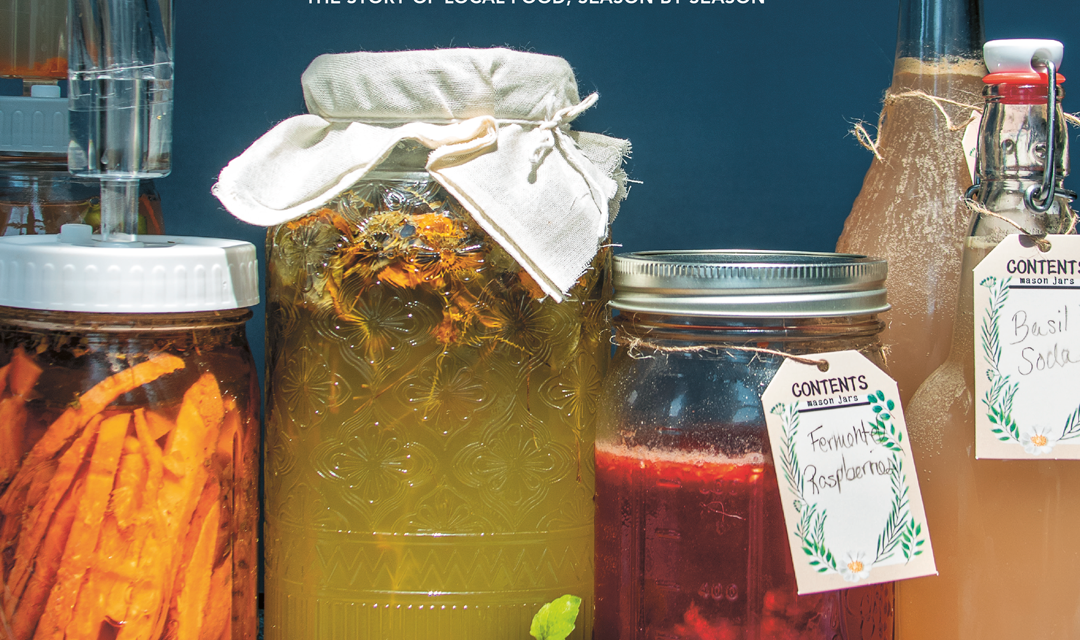
As more than one maker and writer mention in these pages, fermentation is everywhere. Along with sampling—and learning to recognize—the fermented foods and drinks others are making and serving in your community, we invite you to try your own hand at the magic, courtesy of a set of recipes for Kitchen Counter Ferments. Pair your fermentation adventures with a trip to the Entangled Cultures exhibition at the Maxwell Museum of Anthropology at the University of New Mexico, where you can join researchers in mulling over the possibility that humanity’s early ancestors started ingesting fermented things not only because they liked to get buzzed—but because fermented foods helped hominins survive as they ventured into new and different habitats with unfamiliar foods. Now, in our own season of uncertainty, these stories prove that fermentation can be useful to us still.
Magic, alchemy, transformation—more than any other culinary technique, fermentation invokes words associated with the casting of spells and ancient mysteries. Although simple in principle, the processes involved in fermentation often resemble arcane rituals. And the consumption of fermented foods is ancient—dating as far back, genetic evidence suggests, as 10 million years. That’s roughly 8.5 million years before evidence of cooking with fire enters the archeological record, which has led some paleoanthropologists to challenge the familiar theory that dinners of charred meat fueled the long, slow evolution of the human brain. What if fermentation, rather than fire, was the secret key to humans becoming what we are?
In this issue of edible New Mexico, we dive into the many ways that fermentation practices survive even in this era of hypermodern food systems. From koji and sourdough in restaurant kitchens to sheep milk yogurt on a young farm, these stories explore the everydayness of fermentation in the lives of local chefs and makers from Taos to Santa Fe to Stanley. For one feature, we drop in on a talk on cheese history and visit with New Mexico’s small but mighty crew of cheesemongers—not cheese makers themselves but curators and tenders of tradition. For another, we get behind the scenes at a pair of breweries run by sustainably minded brothers in downtown Albuquerque. Writing of their community-deep tradition of making natural wine, Brook Brooks compares fermentation to an interspecies dance party. And for our latest stop along the Mother Road, we spotlight cocktail bars that focus on the craft spirits carrying on the legacy of this ancient process.
As more than one maker and writer mention in these pages, fermentation is everywhere. Along with sampling—and learning to recognize—the fermented foods and drinks others are making and serving in your community, we invite you to try your own hand at the magic, courtesy of a set of recipes for Kitchen Counter Ferments. Pair your fermentation adventures with a trip to the Entangled Cultures exhibition at the Maxwell Museum of Anthropology at the University of New Mexico, where you can join researchers in mulling over the possibility that humanity’s early ancestors started ingesting fermented things not only because they liked to get buzzed—but because fermented foods helped hominins survive as they ventured into new and different habitats with unfamiliar foods. Now, in our own season of uncertainty, these stories prove that fermentation can be useful to us still.
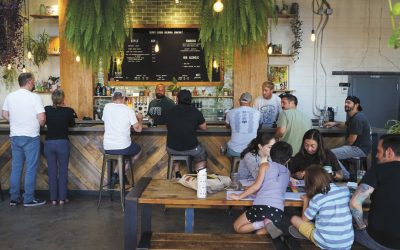
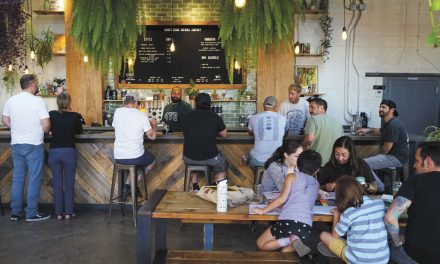
Earthly Ties
Sophie Putka gets behind the scenes at a pair of sustainably minded breweries in downtown Albuquerque.
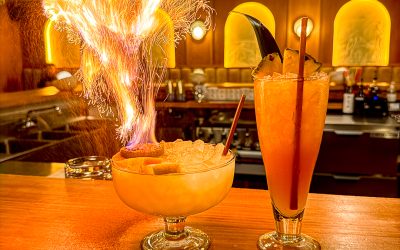
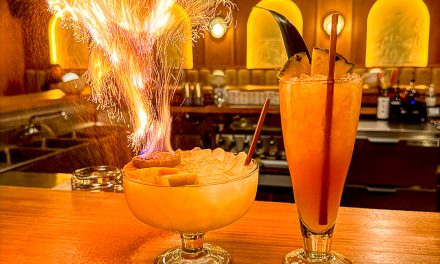
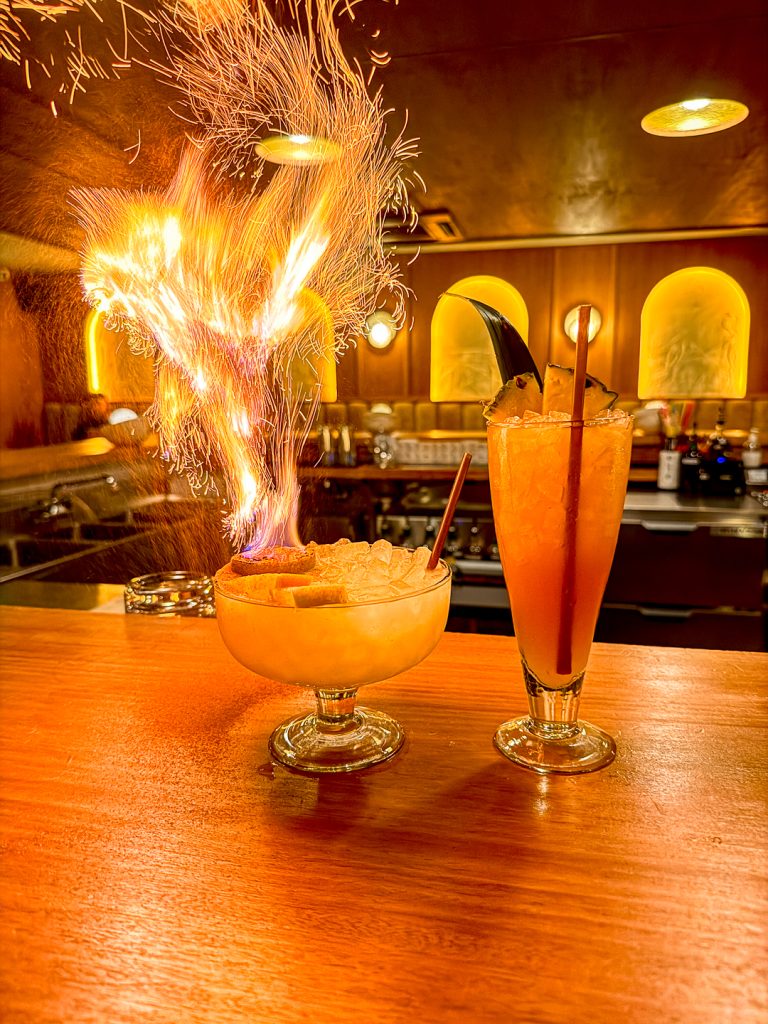
THE NEW SPIRITS OF OLD ROUTE 66
The dive bar might be quintessential to Route 66, but some of those dives have grown up and found their calling as cocktail bars offering new-world spirits.

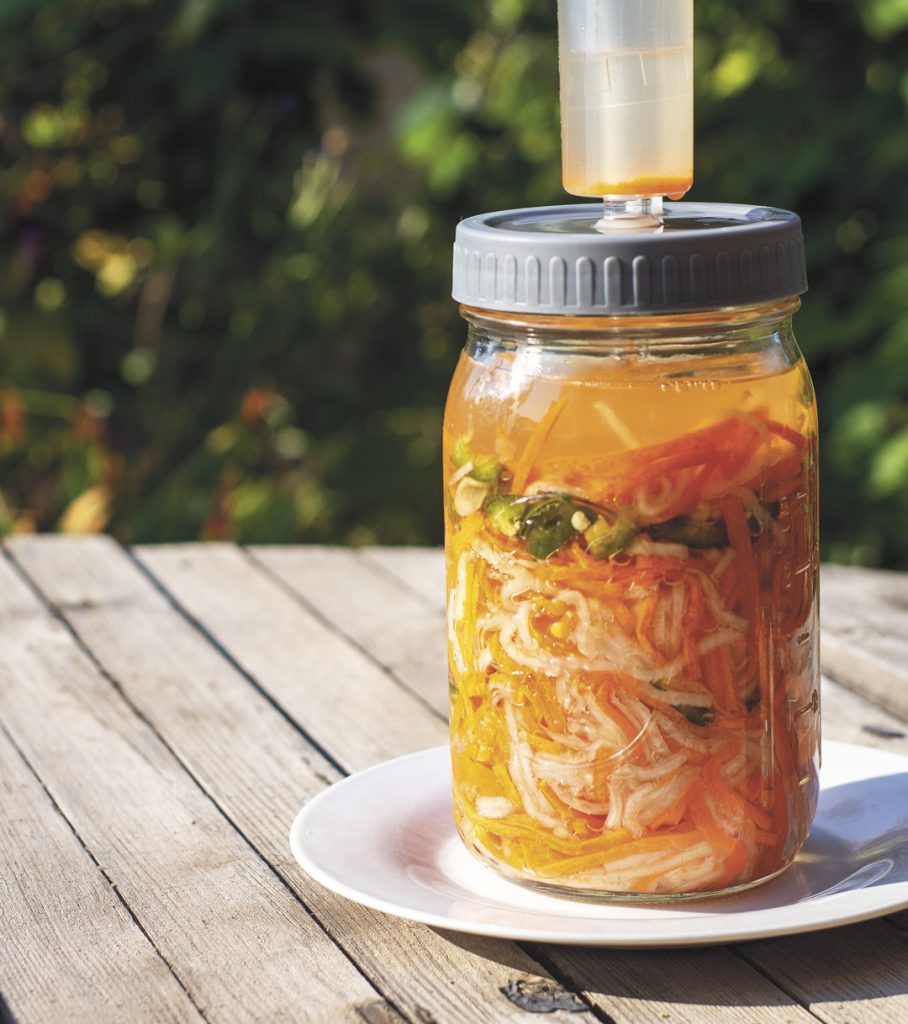
Bánh Mì Pickles
Umami-rich Bánh Mì Pickles add crunch and acidity to everything from bánh mì sandwiches and burgers to rice bowls, tacos, spring rolls, and salads.
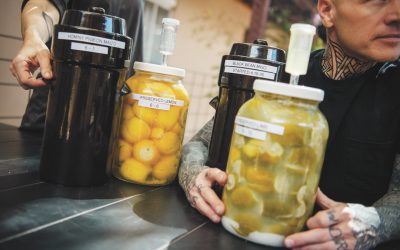
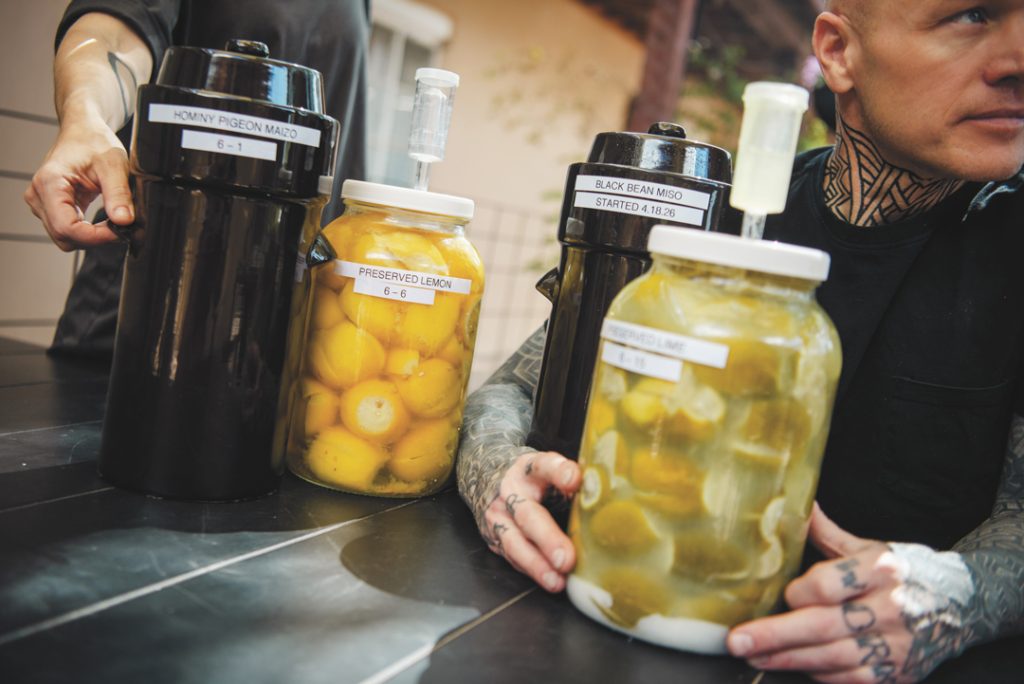
FERMENTATION NOTES
Ungelbah Dávila visits with Kevin and Meg Sousa of Suchness to explore what makes the Taos dining room so special.
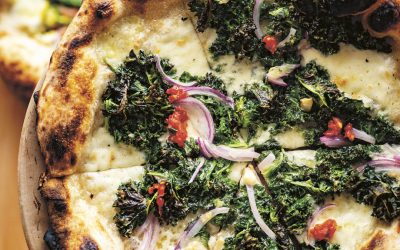
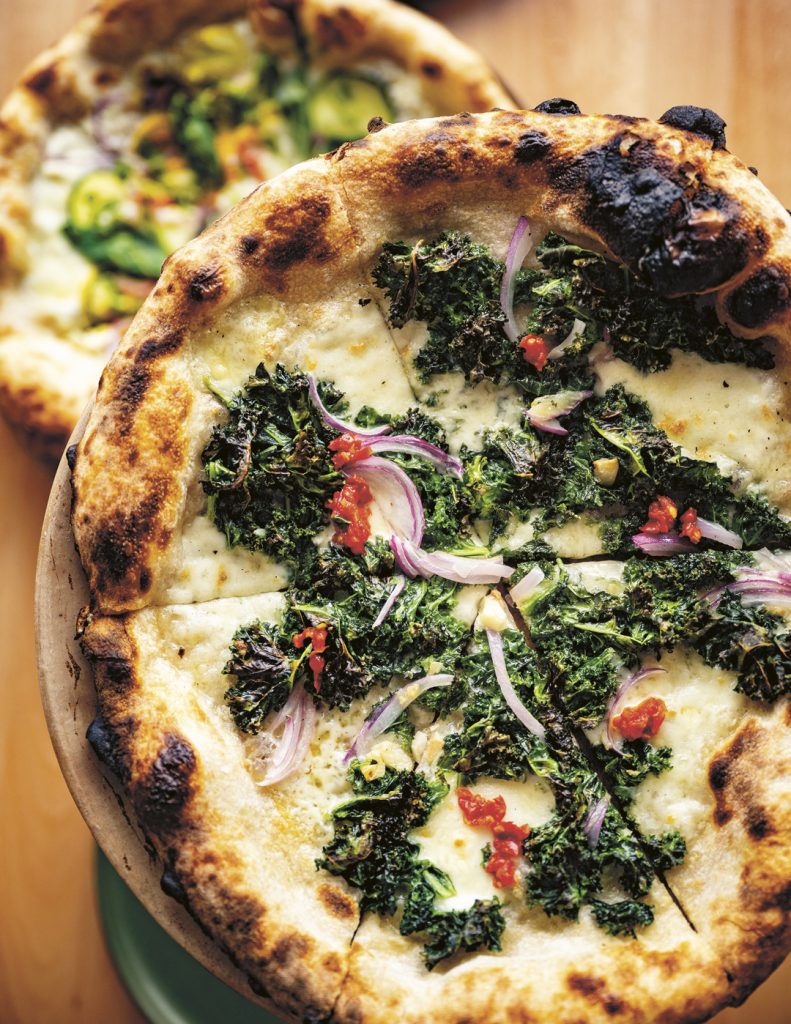
Tender Fire Kitchen’s Temperamental Dough
Tender Fire Kitchen remains in high demand for its chewy, Neapolitan-style crust, high-quality ingredients, and most especially their fermented dough.
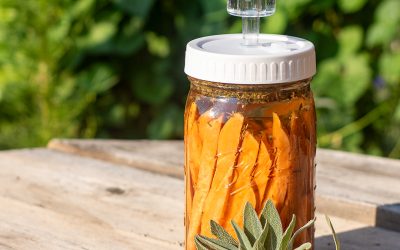
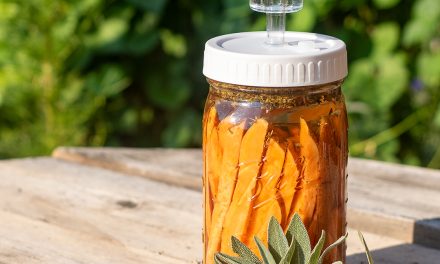
Fermented Sweet Potato Fries
These Fermented Sweet Potato Fries have a crisp exterior, a fluffy interior, and flavor that can’t be achieved with fresh potatoes alone.
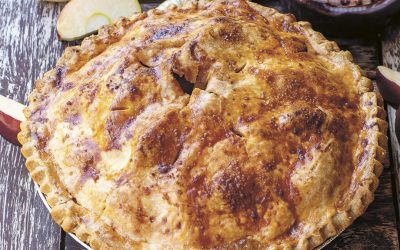
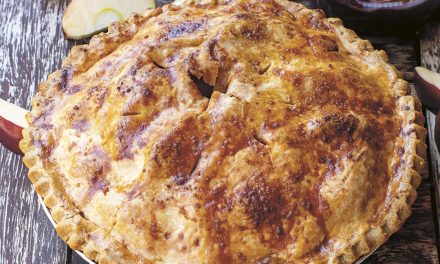
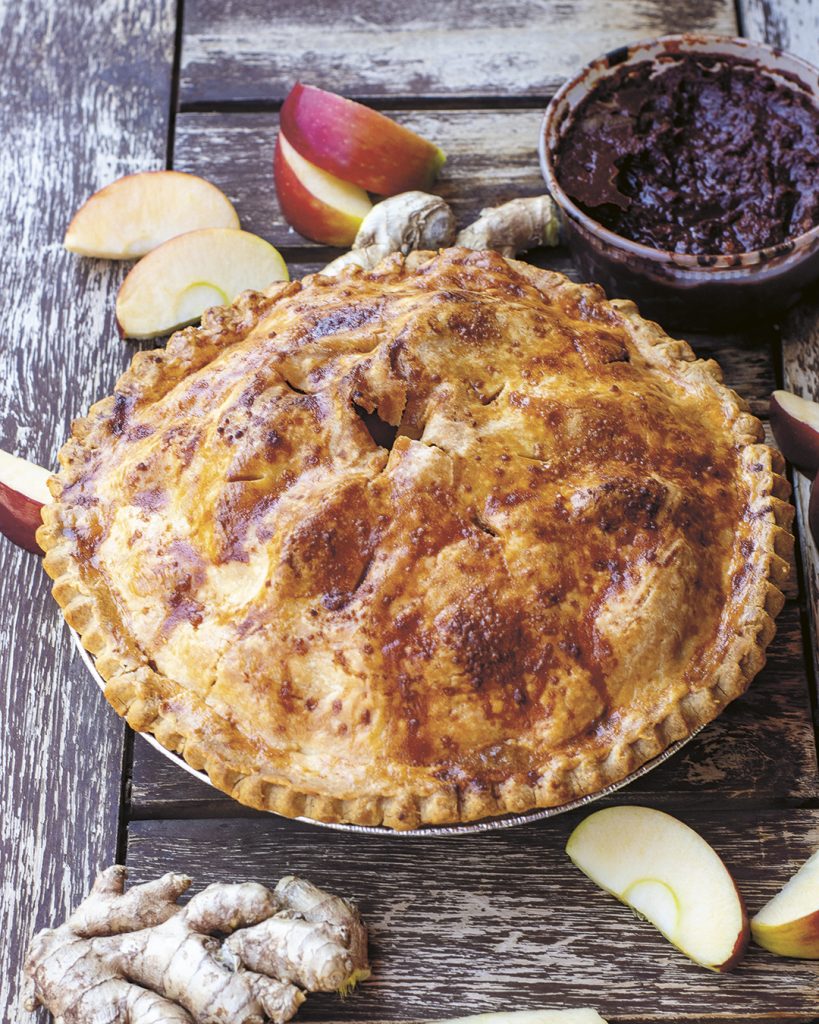
Gochujang and Ginger Apple Pie
If green chile belongs in apple pie, why not give gochujang a turn?
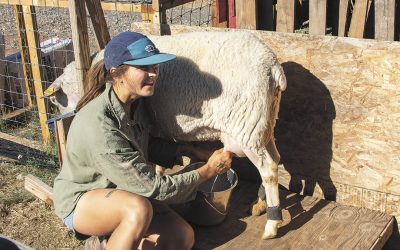
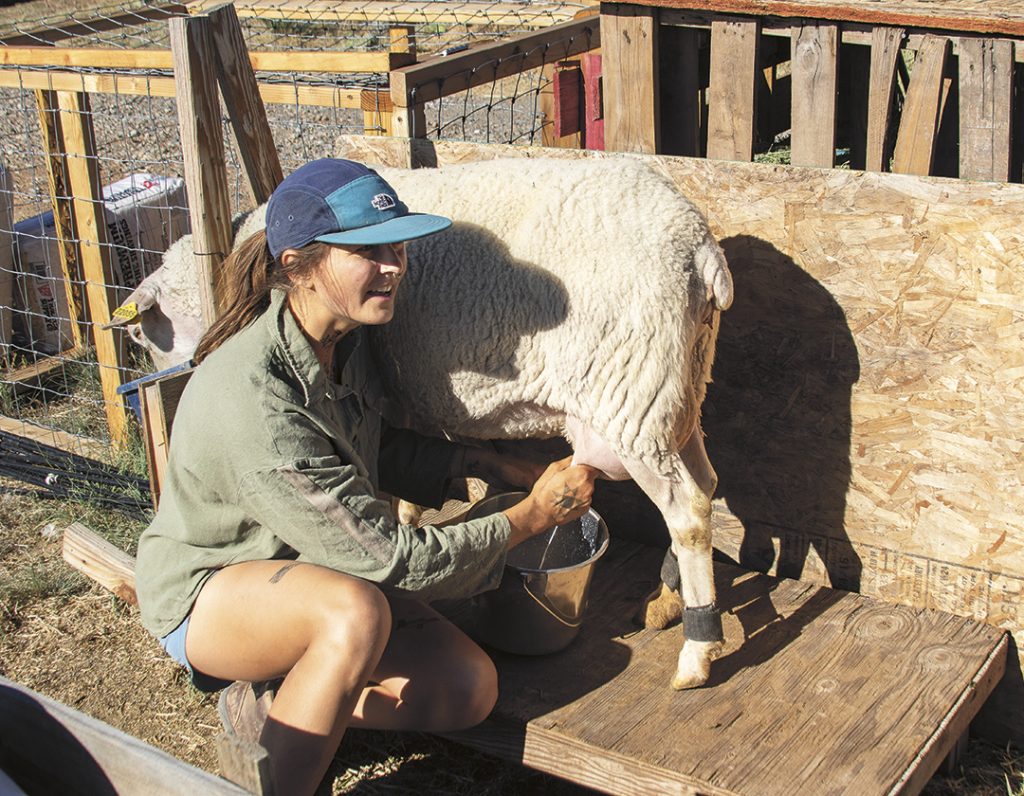
The Sour Milk of Stanley
Nina Katz visits Arroyo Runs Through It in Albuquerque’s East Mountains to learn how they turn sheep milk into creamy, tart, tangy yogurt.
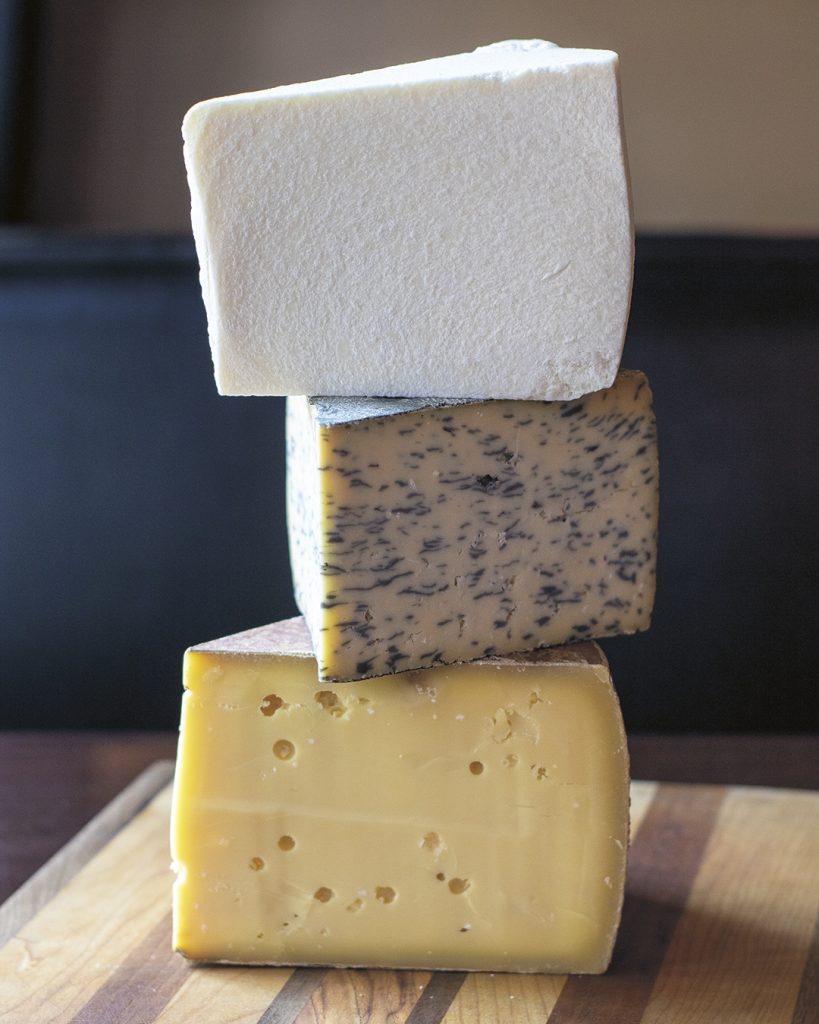
Ethical Hedonists
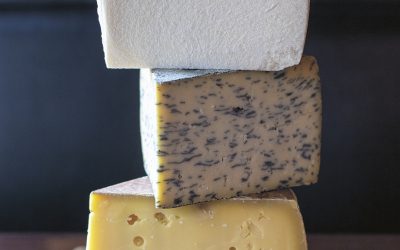
We visit with New Mexico’s small but mighty crew of cheesemongers, curators and tenders of an ancient tradition.
Honey-Fermented Raspberries
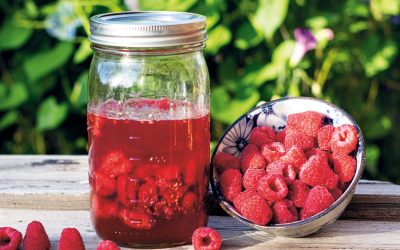
Serve Honey-Fermented Raspberries over yogurt, granola, pancakes, or ice cream; pair them with cheese and crusty sourdough; or whisk the fruit-infused honey into vinaigrettes, marinades, or barbecue sauces.
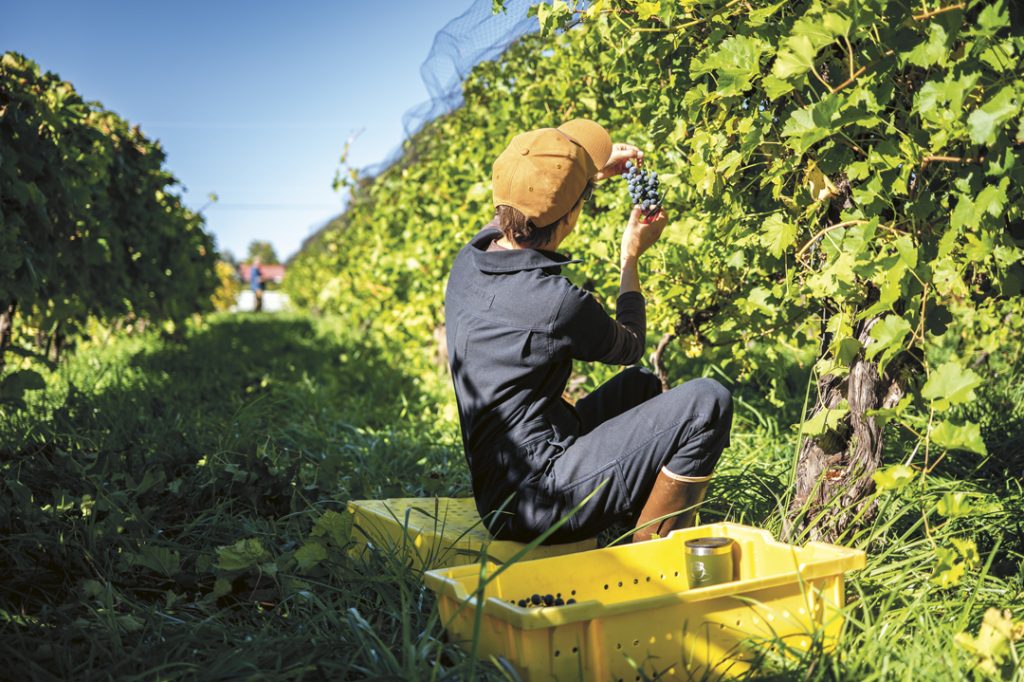
Remembering Harvest
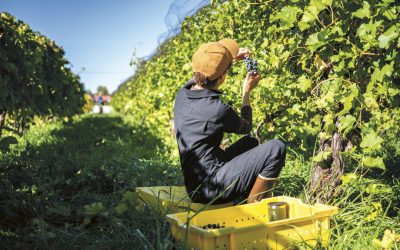
Writing of their community winemaking tradition, Brook Brooks compares fermentation to an interspecies dance party.
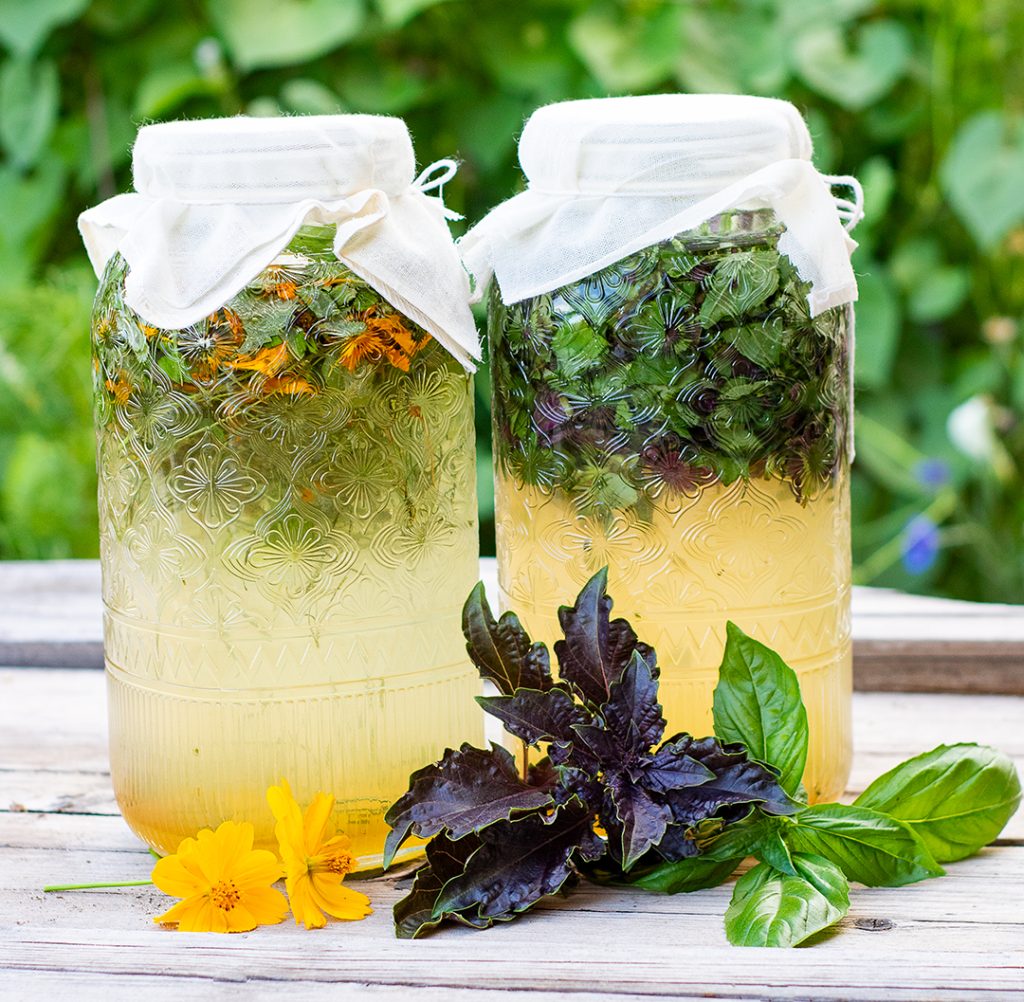
Wild Herbal Soda
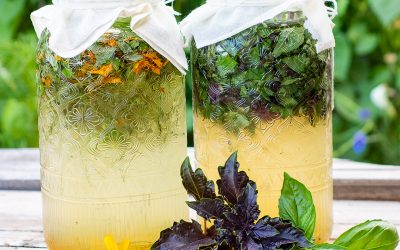
Wild Herbal Soda is naturally carbonated by the wild yeasts and beneficial bacteria found on the skins of fruit and on edible flowers and herbs.
Earthly Ties
Sophie Putka gets behind the scenes at a pair of sustainably minded breweries in downtown Albuquerque.

THE NEW SPIRITS OF OLD ROUTE 66
The dive bar might be quintessential to Route 66, but some of those dives have grown up and found their calling as cocktail bars offering new-world spirits.
Bánh Mì Pickles
Umami-rich Bánh Mì Pickles add crunch and acidity to everything from bánh mì sandwiches and burgers to rice bowls, tacos, spring rolls, and salads.
FERMENTATION NOTES
Ungelbah Dávila visits with Kevin and Meg Sousa of Suchness to explore what makes the Taos dining room so special.
Tender Fire Kitchen’s Temperamental Dough
Tender Fire Kitchen remains in high demand for its chewy, Neapolitan-style crust, high-quality ingredients, and most especially their fermented dough.
Fermented Sweet Potato Fries
These Fermented Sweet Potato Fries have a crisp exterior, a fluffy interior, and flavor that can’t be achieved with fresh potatoes alone.

Gochujang and Ginger Apple Pie
If green chile belongs in apple pie, why not give gochujang a turn?
The Sour Milk of Stanley
Nina Katz visits Arroyo Runs Through It in Albuquerque’s East Mountains to learn how they turn sheep milk into creamy, tart, tangy yogurt.
Ethical Hedonists
We visit with New Mexico’s small but mighty crew of cheesemongers, curators and tenders of an ancient tradition.
Honey-Fermented Raspberries
Serve Honey-Fermented Raspberries over yogurt, granola, pancakes, or ice cream; pair them with cheese and crusty sourdough; or whisk the fruit-infused honey into vinaigrettes, marinades, or barbecue sauces.

Remembering Harvest
Writing of their community winemaking tradition, Brook Brooks compares fermentation to an interspecies dance party.
Wild Herbal Soda
Wild Herbal Soda is naturally carbonated by the wild yeasts and beneficial bacteria found on the skins of fruit and on edible flowers and herbs.