
“Far up on heights, in regions of the mist,” wrote John Shepherd, a nineteenth-century journalist and poet of Colorado and New Mexico, “silvery lakes . . . sleep calmly near eternal banks of snow—the source of the life which blooms so sweet below.”
That Shepherd was writing of our region might come as a surprise to those who recognize New Mexico by its capacious horizons, its yucca-studded mesas, its cactus and cottonwoods. Known from afar for its desert landscapes, red rocks and badlands and bone-colored canyons, New Mexico is nonetheless a tapestry of mountains. The Sangre de Cristos, named, if not for alpenglow, for a red-throated bird or a red-crested flower or a crimson-colored spring; the Sandias, named for watermelon sunsets or Native squash or a saint; the Pinos Altos, named for tall trees; the Jemez, the Zunis, the Mimbres, each named for a people.
This issue of edible New Mexico is devoted to life in those mountains. We follow Ellen Zachos up Holy Ghost Creek, where she guides us in foraging for early spring greens. Weaving apprentice leticia gonzales talks with sheep farmer Elena Miller ter-Kuile about coming home, the health in diversity, and regenerating land in the Mountain West. Taking stock of the impacts of fire in Mora and around the state, ecologist Charles Curtin argues for a foodshed-centered approach to managing our drying forests, all likely to confront more fire.
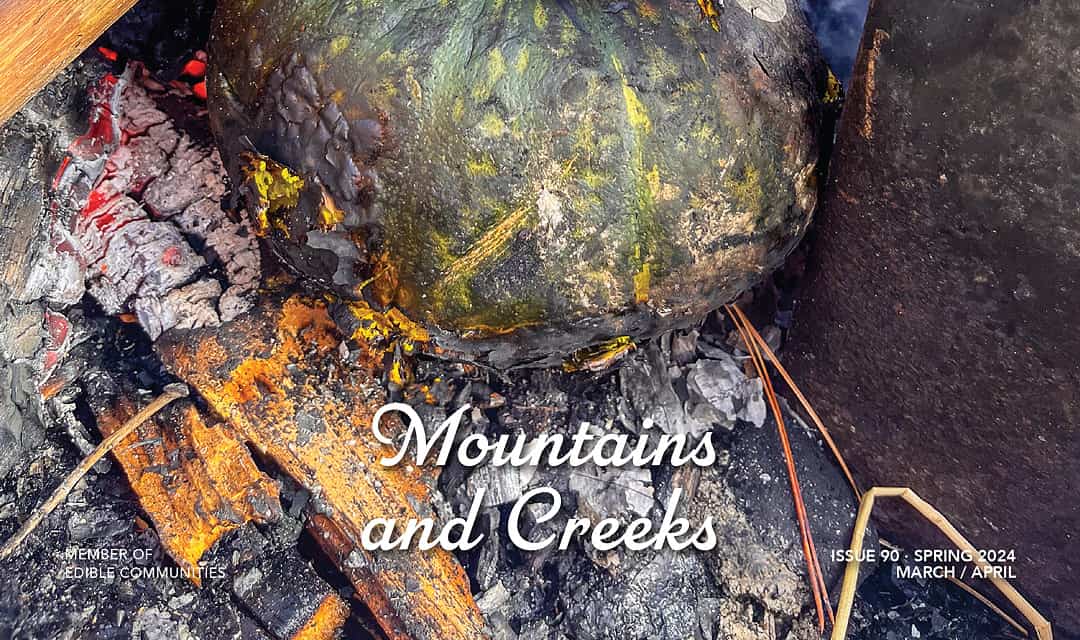
In light of that vulnerability, we’ve gathered stories whose common thread is healing, through food and community as through land. At Whiskey Creek Zócalo, we find a constellation of garlic- and tree-growing, rural community building, pizza baking, and art making. Through Comanche Creek Brewery, we meet a group of disabled veterans finding recovery in fly fishing. On Taos Pueblo, we visit a café whose foods and practices are grounded in remembrance. Turning to the home kitchen, we explore a traditional practice with its own woodland roots: cooking with ash.
The mountains, whatever our perspective of their peaks, are very much of this world. We hope these stories likewise ground you in the tangible, be that through coal-roasted pumpkin fondue, spring greens fritters, a lamb pelt, or holistic, place-based ways to tend our working lands and forests through whatever comes.
 “Far up on heights, in regions of the mist,” wrote John Shepherd, a nineteenth-century journalist and poet of Colorado and New Mexico, “silvery lakes . . . sleep calmly near eternal banks of snow—the source of the life which blooms so sweet below.”
That Shepherd was writing of our region might come as a surprise to those who recognize New Mexico by its capacious horizons, its yucca-studded mesas, its cactus and cottonwoods. Known from afar for its desert landscapes, red rocks and badlands and bone-colored canyons, New Mexico is nonetheless a tapestry of mountains. The Sangre de Cristos, named, if not for alpenglow, for a red-throated bird or a red-crested flower or a crimson-colored spring; the Sandias, named for watermelon sunsets or Native squash or a saint; the Pinos Altos, named for tall trees; the Jemez, the Zunis, the Mimbres, each named for a people.
This issue of edible New Mexico is devoted to life in those mountains. We follow Ellen Zachos up Holy Ghost Creek, where she guides us in foraging for early spring greens. Weaving apprentice leticia gonzales talks with sheep farmer Elena Miller ter-Kuile about coming home, the health in diversity, and regenerating land in the Mountain West. Taking stock of the impacts of fire in Mora and around the state, ecologist Charles Curtin argues for a foodshed-centered approach to managing our drying forests, all likely to confront more fire.
In light of that vulnerability, we’ve gathered stories whose common thread is healing, through food and community as through land. At Whiskey Creek Zócalo, we find a constellation of garlic- and tree-growing, rural community building, pizza baking, and art making. Through Comanche Creek Brewery, we meet a group of disabled veterans finding recovery in fly fishing. On Taos Pueblo, we visit a café whose foods and practices are grounded in remembrance. Turning to the home kitchen, we explore a traditional practice with its own woodland roots: cooking with ash.
The mountains, whatever our perspective of their peaks, are very much of this world. We hope these stories likewise ground you in the tangible, be that through coal-roasted pumpkin fondue, spring greens fritters, a lamb pelt, or holistic, place-based ways to tend our working lands and forests through whatever comes.

Charred CherryWood Ice Cream
This recipe for Charred Cherrywood Ice Cream involves dropping a burning piece of wood into heavy cream—sure to delight your sixth sense in a way you’ve never experienced before.

TROUT WARRIORS
Through Comanche Creek Brewery, we meet a group of disabled veterans finding recovery in fly fishing.

Salt-and-Ash-Baked Celery Root
The ancient culinary technique used to make this Salt-and-Ash-Baked Celery Root results in a creamy interior, with smoky undertones.

The Many Facets of Whiskey Creek Zócalo
At Whiskey Creek Zócalo, Jennifer C. Olson finds a constellation of garlic- and tree-growing, rural community building, pizza baking, and art making.

Ashy Grapefruit Mocktail
Ash salt is used to garnish the rim of this Ashy Grapefruit Mocktail, and ash syrup and grapefruit mimic the citrus and smokiness of a mezcal paloma.

Coal-Roasted Pumpkin Fondue
Our Coal-Roasted Pumpkin Fondue features an ash-charred pumpkin that becomes the serving dish for bubbly melted cheese studded with savory mushrooms.
Roasted Romanesco with White Bean Dip
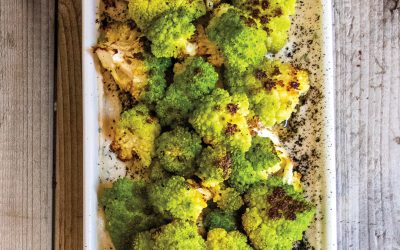
Our Spring edition of Last Bite, brought to you by Rio Grande Credit Union, features a budget-friendly recipe for Roasted Romanesco with White Bean Dip.

Savory Cheese Tart with Onion and Mushroom
This Savory Cheese Tart with Onion and Mushroom is a perfect appetizer for parties or serving as a main course for Sunday brunch.

SPRING GREENS FRITTERS
Ellen Zachos shares a recipe for “Spring Greens Fritters” that you can adapt to whatever greens you have on hand.
A Wild Dish from Holy Ghost Creek
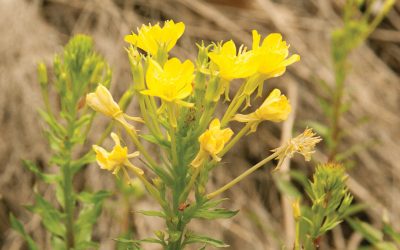
We follow Ellen Zachos up Holy Ghost Creek, where she guides us in foraging for early spring greens.

Until The Sheep Come Home
Weaving apprentice leticia gonzales talks with sheep farmer Elena Miller ter-Kuile about regenerating land in the Mountain West.

A Brother’s Tribute
On Taos Pueblo, Dawn Butterfly Cafe’s foods and practices are grounded in remembrance.
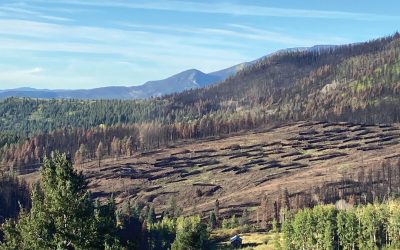
Fireshed-Watershed-Foodshed
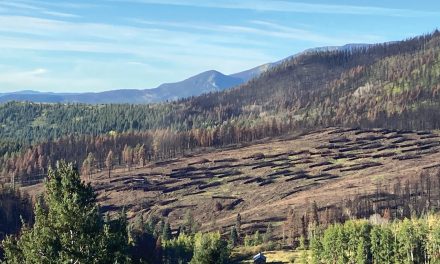
Taking stock of the impacts of fire in Mora and around the state, ecologist Charles Curtin argues for a foodshed-centered approach to managing our drying forests, all likely to confront more fire.
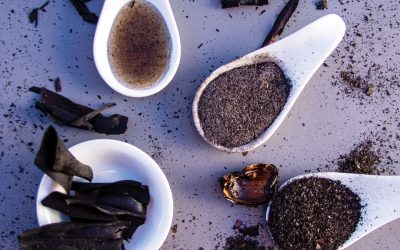
Vegetable Ash
This recipe for Vegetable Ash can be a finishing sprinkle on soups, cooked veggies, cheeses or meats, and is also great for adding flavor to sauces.