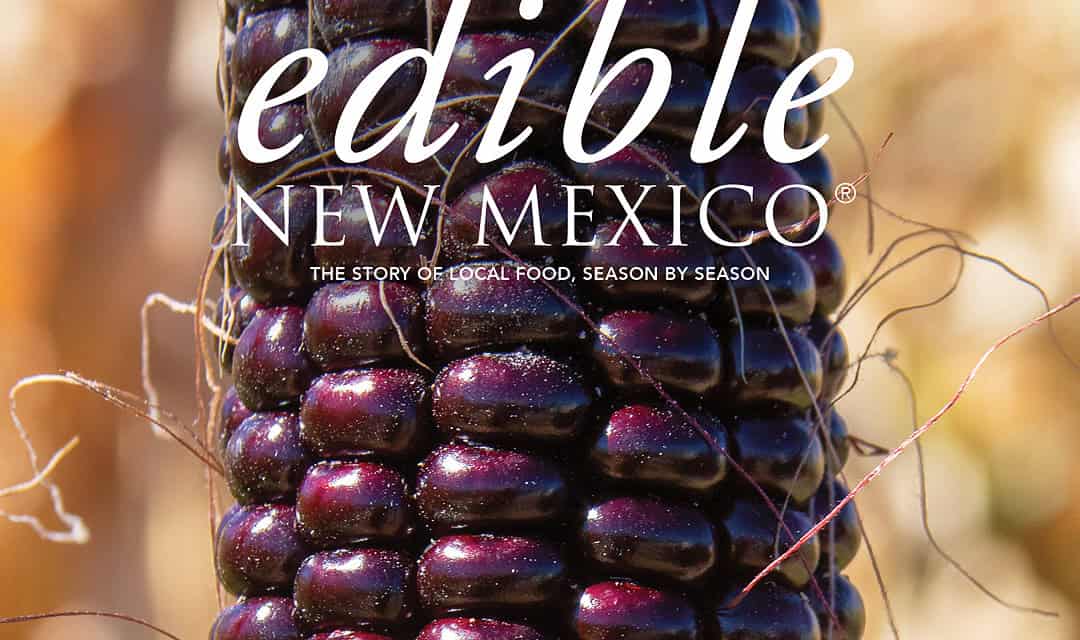

As we ready this issue to go to press, a gift of cool rain interrupts days of heat. Cottonwood fluff sticks between thyme leaves, collecting in gardens and ditches and fields, while overlooked elm saplings shoot forth new growth. Sunflowers open. A hummingbird runs its beak around the edge of its tiny nest. Bird mamas pass food off to their young, nestled in the cavity of a trunk or a cholla thicket. Piglets crowd and jostle for a spot at their mother’s belly. A goose couple guards their single gosling fiercely. Lettuce begins to bolt. Squash vines plunge outward; snap peas peak. Tomatoes steadily approach fruition.
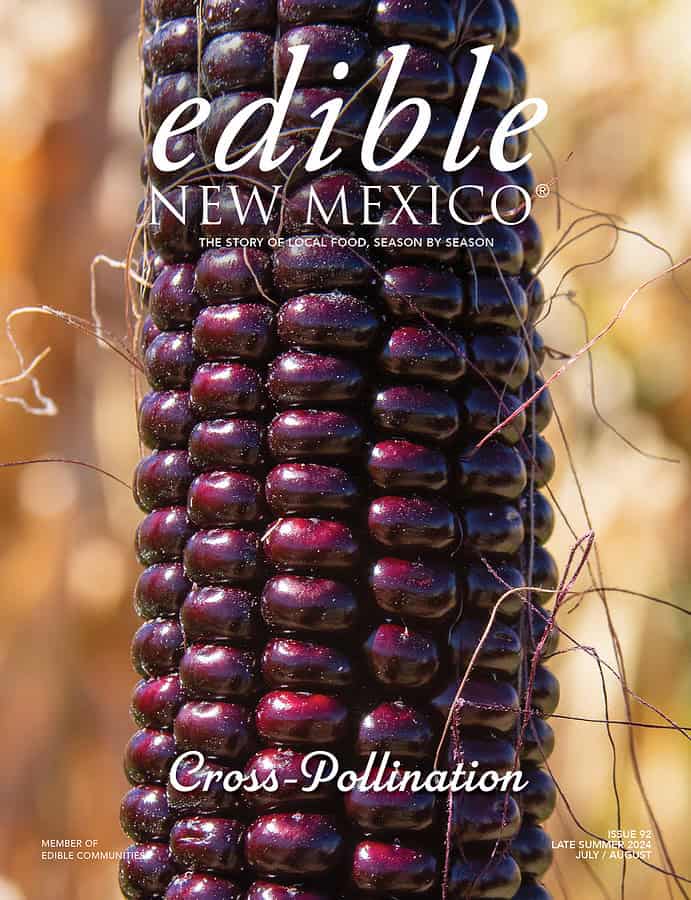
How are things made? Few questions are more compelling than this one. Whether speaking of the universe or aglianico, heirloom corn or chile paste, a garden or an ecosystem, the question becomes more intriguing as it gains in specificity. In this issue of edible, we dive into the complexities of making and discover anew what is clear to anyone who studies the world closely: creation comes from relationships, connections, casual and concerted intersections and receptions. In a word, cross-pollination.
Is it any surprise, then, that these pages are packed with love stories? There is love for the Chimayó chile, love for the Rio Grande bosque, love for the Navajo-Churro sheep. There is love for the community in and around Abiquiú. There is love for thru-hiking and love for beer. There is love between people—love that sparks culinary inspiration, love that underpins the success of a business, love that feeds conversation and action oriented toward a livable future. There is love, too, for the multifaceted work of this year’s Local Heroes, announced in this issue.
These are not Hollywood love stories that end at the beginning. They are stories about long days and the long haul. In one feature, a local pig farmer considers climate-adapted animal husbandry. In another, longtime contributor (and now associate editor!) Robin Babb breaks down the consequences of crossing seeds. A third investigates the sometimes precarious crossing of wild and domesticated foodsheds. With material and inspiration drawn from sources as near as the Continental Divide Trail and as far as Friuli and the Carpathian Mountains, these are inevitably stories about adaptation. If a recipe is a set of suggestions, this issue is a recipe, still being tested, for the future of the unique, precious, and hardy state of New Mexico. We hope you love it as we do.
 As we ready this issue to go to press, a gift of cool rain interrupts days of heat. Cottonwood fluff sticks between thyme leaves, collecting in gardens and ditches and fields, while overlooked elm saplings shoot forth new growth. Sunflowers open. A hummingbird runs its beak around the edge of its tiny nest. Bird mamas pass food off to their young, nestled in the cavity of a trunk or a cholla thicket. Piglets crowd and jostle for a spot at their mother’s belly. A goose couple guards their single gosling fiercely. Lettuce begins to bolt. Squash vines plunge outward; snap peas peak. Tomatoes steadily approach fruition.
How are things made? Few questions are more compelling than this one. Whether speaking of the universe or aglianico, heirloom corn or chile paste, a garden or an ecosystem, the question becomes more intriguing as it gains in specificity. In this issue of edible, we dive into the complexities of making and discover anew what is clear to anyone who studies the world closely: creation comes from relationships, connections, casual and concerted intersections and receptions. In a word, cross-pollination.
Is it any surprise, then, that these pages are packed with love stories? There is love for the Chimayó chile, love for the Rio Grande bosque, love for the Navajo-Churro sheep. There is love for the community in and around Abiquiú. There is love for thru-hiking and love for beer. There is love between people—love that sparks culinary inspiration, love that underpins the success of a business, love that feeds conversation and action oriented toward a livable future. There is love, too, for the multifaceted work of this year’s Local Heroes, announced in this issue.
These are not Hollywood love stories that end at the beginning. They are stories about long days and the long haul. In one feature, a local pig farmer considers climate-adapted animal husbandry. In another, longtime contributor (and now associate editor!) Robin Babb breaks down the consequences of crossing seeds. A third investigates the sometimes precarious crossing of wild and domesticated foodsheds. With material and inspiration drawn from sources as near as the Continental Divide Trail and as far as Friuli and the Carpathian Mountains, these are inevitably stories about adaptation. If a recipe is a set of suggestions, this issue is a recipe, still being tested, for the future of the unique, precious, and hardy state of New Mexico. We hope you love it as we do.
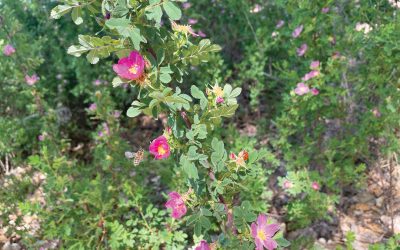
FEASTING ON THE BOSQUE
In “Feasting on the Bosque,” Briana Olson investigates the sometimes precarious crossing of wild and domesticated foodsheds.
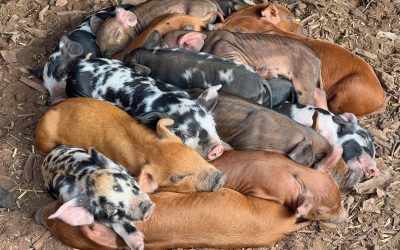
Rare Breeds
In “Rare Breeds,” local pig farmer Zach Withers considers climate-adapted animal husbandry.
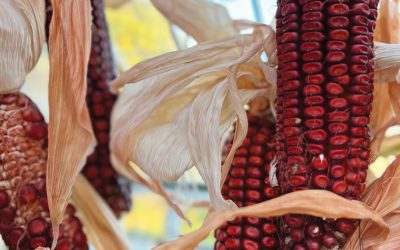
Disappearing Chile and Domesticated Corn
Robin Babb breaks down the consequences of crossing seeds.
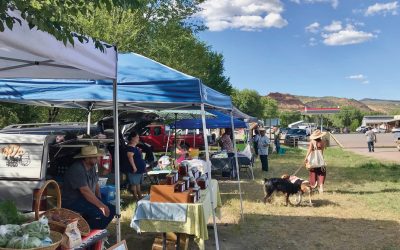
The Abiquiú Farmers Market
Come for the Fresh Finds, Stay for the Community By Jessica & André KemptonThe Abiquiú Farmers Market, photo by Janet Harrington.Every year, more than fifty New Mexico farmers markets help farmers and producers sell their agricultural bounty to their neighbors. In...
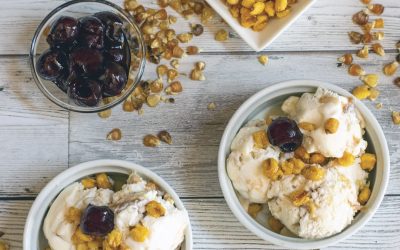
Chicos and Salted Caramel Ice Cream
Chicos and Salted Caramel Ice Cream with horno-roasted kernels combined with cream, sugar, and salted caramel make for a magical summer treat.
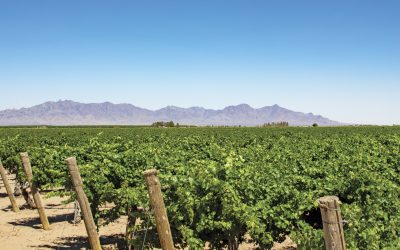
Crushing It in the Mimbres Valley
Michele Padberg visits with the D’Andrea family of Luna Rossa Winery to learn about their treasure trove of palate delights.
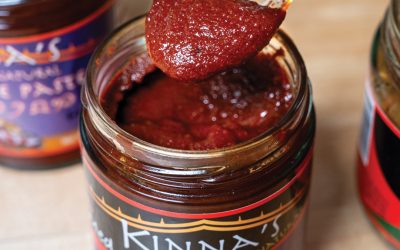
Kinna’s Kitchen
Kinna’s Laos Chile Paste is a sweet, spicy, complex sauce that melds classic Laotian flavors with New Mexican red chile.
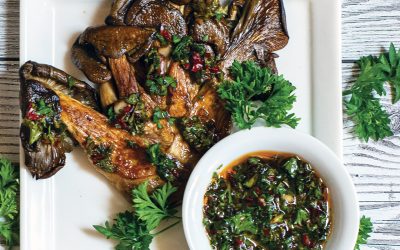
Mushroom “Steaks”
Pan-pressed Mushroom “Steaks” pair perfectly with Red Chile Chimichurri, a local twist on the classic Uruguayan and Argentinian condiment.
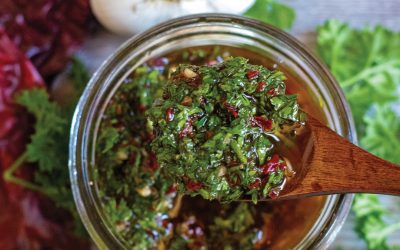
Red Chile Chimichurri
Chimichurri is a Uruguayan and Argentinian condiment usually used on grilled meat dishes—this recipe has a twist using fresh Hatch red chiles.
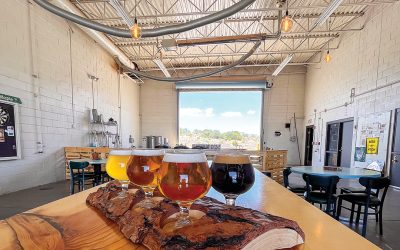
Will Hike for Beer
Open Space Brewing By Jennifer C. OlsonPhotos by Stephanie CameronOpen Space Brewing owners Matt Leef and Alexa Tubbs.It was standing room only at the Open Space Brewing taproom when Nuestra Tierra Conservation Project held the Gila River Legacy and Reconciliation...
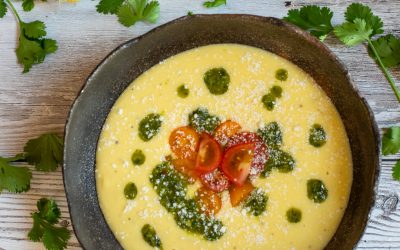
Sweet Corn Soup
This Sweet Corn Soup is amplified with stock made with corncobs, and its sweet creaminess is complemented by the zing of zhoug, cotija, and heirloom cherry tomatoes.
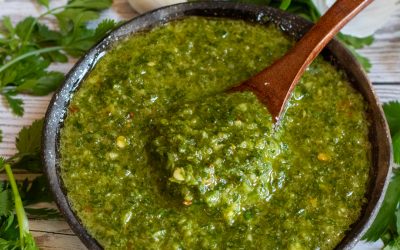
Zhoug
Zhoug is a spicy Middle Eastern condiment made from fresh cilantro, green chiles, olive oil, and spices.
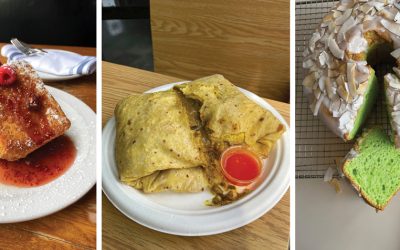
A Day in Downtown Toronto
By Alexandria Bipatnath Known as one of the most multicultural cities in the world, Toronto is also one of my favorite places to eat. From classic feel-good menus to Caribbean spice and French-inspired desserts, I’ve mapped a day’s worth of eating for your next...
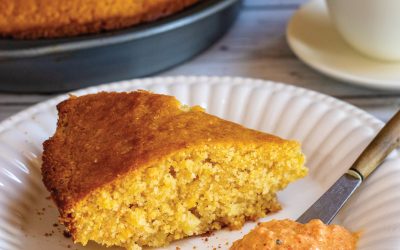
Sweet Summer Corn Bread and Red Bell Pepper Rémoulade
This Sweet Summer Corn Bread includes fresh corn kernels for an extra burst of sweetness and texture—it’s the perfect canvas for a tangy, creamy Red Bell Pepper Rémoulade.
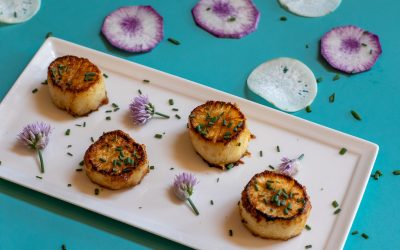
Daikon Radish “Steaks”
Daikon Radish “Steaks” combine the milder taste of this Japanese radish with a savory Asian sauce.
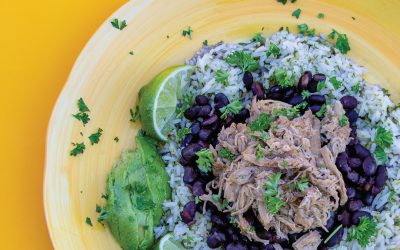
Slow Cooker Mojo Pork
This edition of Last Bite, brought to you by Rio Grande Credit Union, features Slow Cooker Mojo Pork.