By Israel Rivera
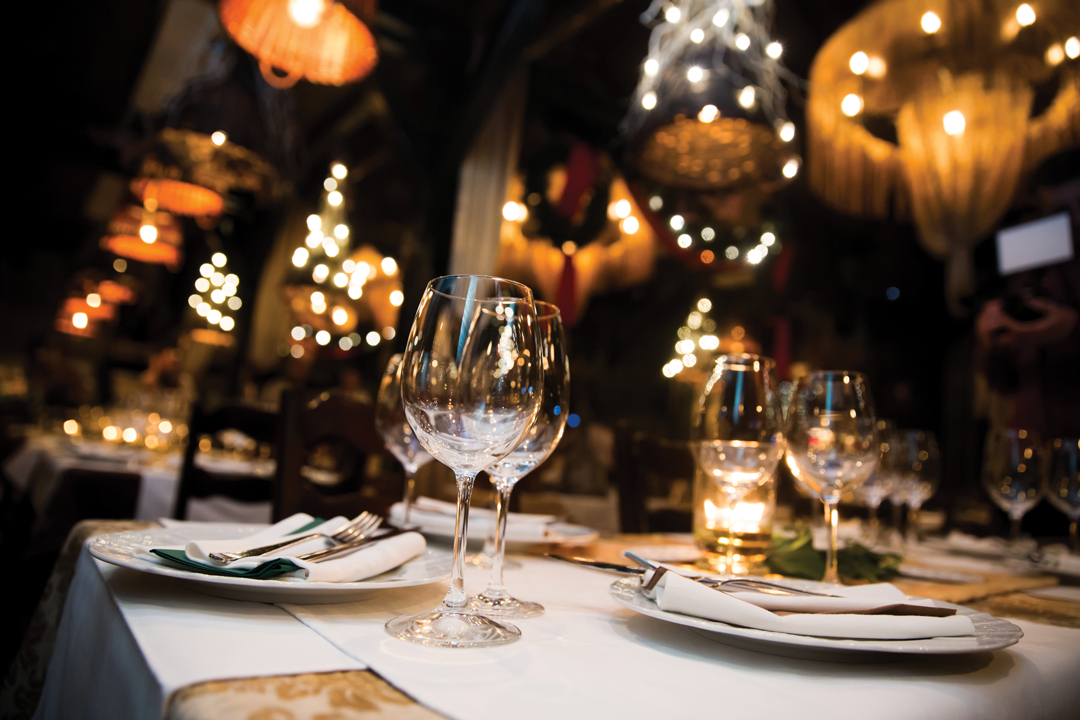
Sitting here, on a barstool at one of New York’s most esteemed restaurants, I can’t help but pause and take it all in. The fact that I’m here, in this city, at this restaurant, seated without a reservation (which I tried in vain to get), eagerly awaiting the insane number of dishes I’ve ordered—nduja arancini, prosciutto & parmigiano, broccoletti, tonnarelli cacio e pepe, coniglio fritto (fried rabbit), grilled octopus with green olive pesto—how lucky am I? It felt like a gamble when I walked in and asked to be put on the waitlist, just hoping I’d be able to get a seat. Not more than a couple of minutes later, someone was leaving the bar and I immediately asked the host if I could just sit there. Walking past groups of people who’d been waiting for who knows how long for a table, I made my way to the bar and picked up the sleek and large but not unwieldy menu, wearing a huge smile on my face.
It took months of planning, saving, and researching for me to be here, right now. Picture a twenty-two-year-old line cook from New Mexico, finally on the receiving end of seriously fine dining and fully engulfed by the experience. It occurs to me that this is, without a doubt, one of the most important experiences I can have as a young cook: to see from the diner’s perspective what a restaurant experience can be. Just as we learn how great food can be, or how smooth a service can run, equally important is knowing what a lasting impression an amazing dinner at a restaurant can leave.
Yet as I look around, assuming all the other patrons are having this same epiphany, I see that no . . . that’s not what is happening at all. Most every other diner is focused on their conversation, their phone, or their meeting—anything other than what’s on the table. What can possibly be demanding your focus more than the painstakingly prepared food and drink in front of you? This place, this experience, that took so much saving and planning . . . but then it hits me: For them, it didn’t. For most of them, this is just another Wednesday evening. People in suits, pulling up in nice cars, wearing watches that cost more than my year’s pay. For them, this is the norm, but for me, and many like me, this is an experience that comes once, maybe twice, in a lifetime.
Why is the “best” food in the world so difficult to access for the people who would appreciate it the most? This is something that’s been bothering me since I got my very first job in a kitchen. At the very top of the dining world, the pinnacle of cooking and gastronomy, there are experiences that most cooks and chefs will never get to have. Why? Because we don’t have enough money. That’s it. That’s the bottom line. We don’t make enough, and those restaurants charge an arm and a leg just to get through the door (even though the most renowned ones have an army of unpaid interns doing most of the cooking, but that’s another story). To get a seat at the very same table we help set every day, people like me—not just me as a young line cook, but me now, as the chef at my own restaurant—have to scrimp, dream, and scheme. Hotels, flights, dinner itself, plus the cost of missing work just to have a chance at an experience guaranteed to make us better at what we do, and on top of that . . . if there’s a dress code too? Fuck off. Not only is most of this already out of reach to so many, now we have to buy a jacket or a suit? For what? I’m not paying to be judged, I’m paying to eat, to smell, to taste, to experience. Dress codes are just another roadblock.
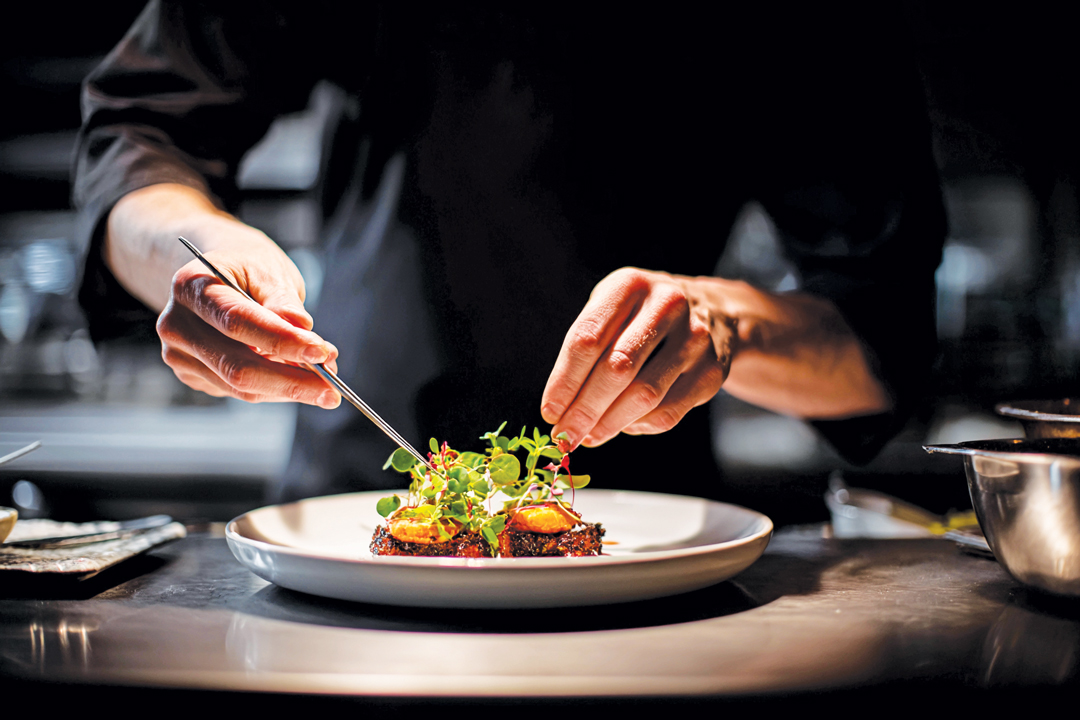
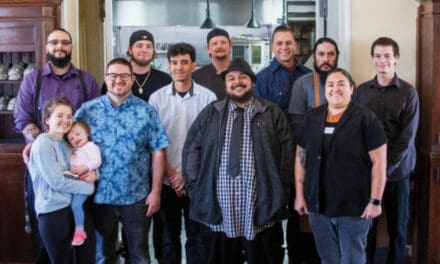
When I think about how I want my patrons to feel when they come to The Shop, I only think of one thing: comfort. I want people to be comfortable, and one of my main priorities (aside from the minor detail of designing the menu and staffing the kitchen) was to make a space where anyone and everyone could be. Taking the colleagues to lunch, Saturday brunch with the family, the mayor meeting the owner of a local sports team to discuss a future stadium (yup, that did happen), or a young couple, waking up at noon and venturing in, still in pj’s—all we care about is that you’re comfortable. The mayor and the hungover couple both spent the same amount of money on their meals. What does it matter what they were wearing?
I get that there’s a certain amount of respect shown to an establishment, and to other people, when we present our best selves to the world. I’m not going to walk into a Michelin-starred restaurant in a cutoff T-shirt and sweatpants. But what’s wrong with a clean pair of chinos and a plain flannel shirt? What makes my Vans so offensive? I bet this is exactly how the chef who made that amazing New York dinner dresses on their day off too.
Is there a conspiracy to keep me and my fellow laborers separated from the high and mighty? I don’t know, and honestly that’s not my concern. So what am I trying to say? Should restaurants make their already itty-bitty margins even smaller to make experiences more affordable? Maybe? All I want, for me and many cooks like me, is more accessibility. Imagine if young cooks had more opportunity for growth and learning. Front of house, and back. How much better could we be as an industry? How much more could we give back to our communities if we were given more as young cookies?
Most of the real learning in this industry is achieved by doing. Real-world experience. The knowledge you gain from other chefs and cooks, in their kitchens and dining rooms, is worlds beyond what you can get from books, or even school. Learning from chefs and restaurants outside your hometown compounds that even further. My time spent traveling, not just working but eating, has opened my eyes to possibilities I couldn’t have imagined if I’d never had those informative experiences.
To eat food you didn’t even know existed changes you as a cook forever. To see how the best chefs in the world operate their kitchens, cook, prepare dishes that combine ingredients in a way you didn’t even think was possible—and to be served that food, to get to eat it yourself—that can be the difference between what makes a good chef and a great one. Beyond spending time in the best chefs’ kitchens, cooks ought to be able to visit their dining rooms too. All we need to be great is opportunity, accessibility, and a seat at the table.
Israel Rivera
Israel Rivera is one of New Mexico’s top chefs, blending the bold flavors of New Mexico and Mexico with modern techniques. With over twenty years of experience, the chef-owner of The Shop Breakfast & Lunch has earned multiple accolades, including edible New Mexico’s Local Hero Award for Chef, Albuquerque, and Albuquerque The Magazine’s Best Chef. Chef Rivera is also a rarely defeated champion in local cooking competitions and has appeared on Food Network’s Beat Bobby Flay and Chopped.